
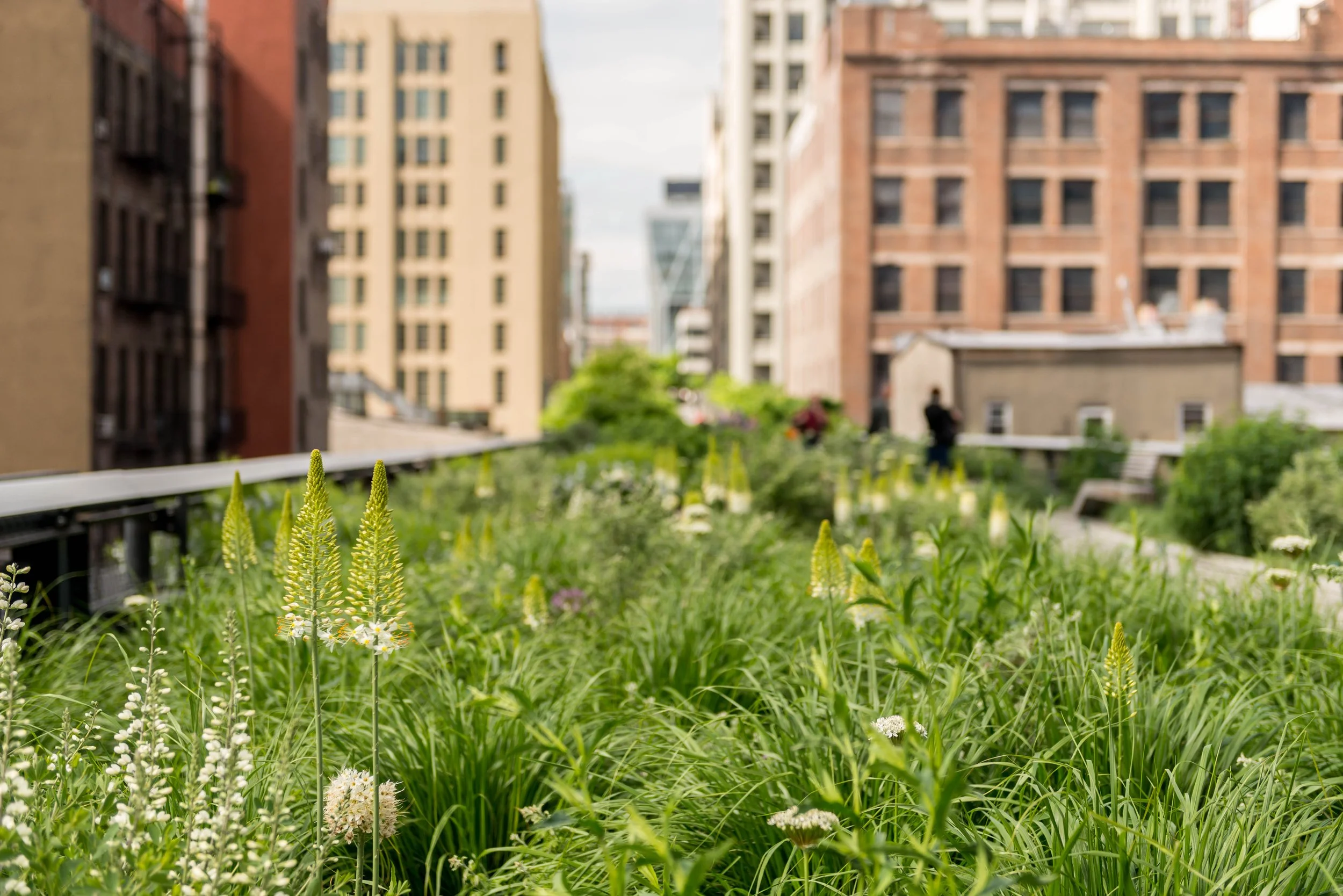
The Park in the Sky
A CASE STUDY
Areas of Focus
• Institutional brand refresh and implementation
• Website redesign and UX/UI systems
• High Line App concept and UX/UI design
• Cross-department communication systems
• Campaigns, fundraising, and public programming
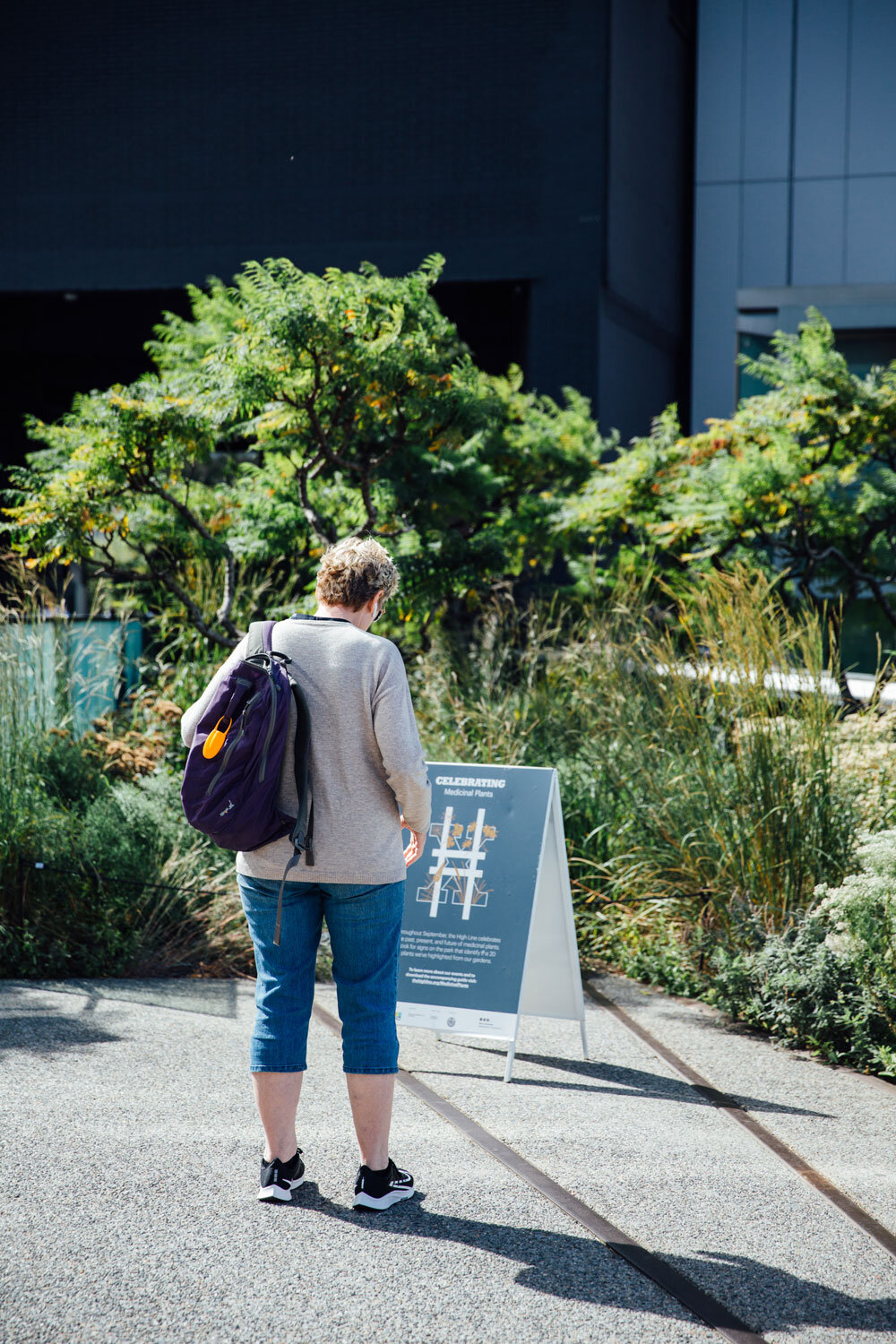
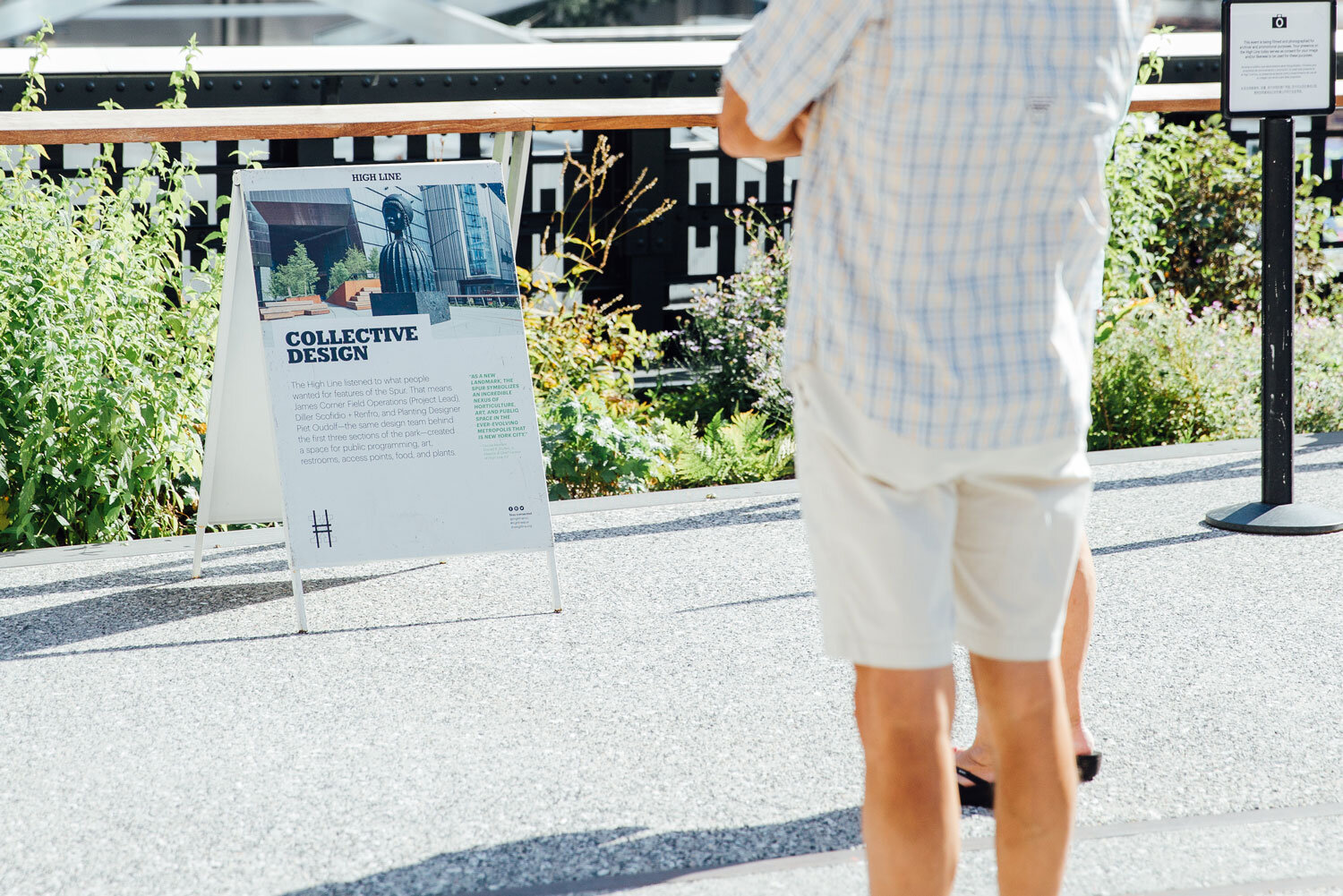
• Environmental graphics and signage systems
• Experiential and visitor-facing design
• 10th Anniversary and Spur opening campaign
• High Line Network and Symposium materials
High Line Brand Refresh & Institutional Design
Supporting the evolution of a cultural institution through brand systems, digital experience, public programming, and thoughtful design.
Role
Design Manager & Art Director
Organization
Friends of the High Line
Timeline
2016–2020
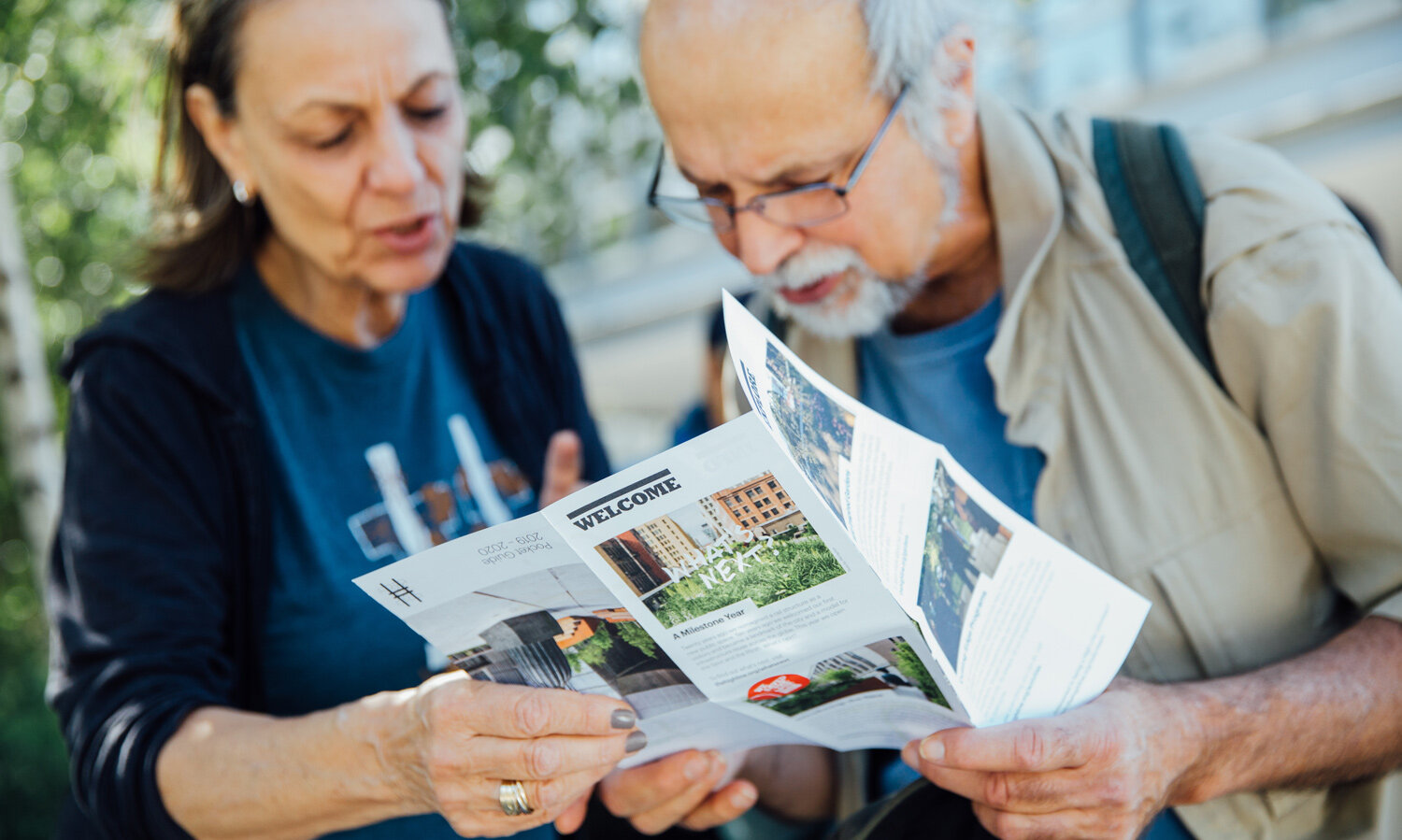
The High Line functioned simultaneously as a cultural institution, nonprofit organization, educational platform, public art space, fundraising ecosystem, and visitor experience serving millions annually.
As the organization’s first full-time in-house designer, I helped support the evolution and implementation of the High Line’s institutional brand across digital platforms, campaigns, public programming, signage systems, fundraising initiatives, and cross-department communication systems while helping create greater cohesion across a rapidly evolving organization.
The High Line’s original identity was created by Paula Scher and Pentagram, who had recently initiated a subtle evolution of the brand shortly before I joined. Paula Scher had also been my senior portfolio teacher at the School of Visual Arts years earlier, which made the experience of later contributing to the ongoing evolution of the High Line identity feel especially meaningful and full circle.
You can see the original designs here:

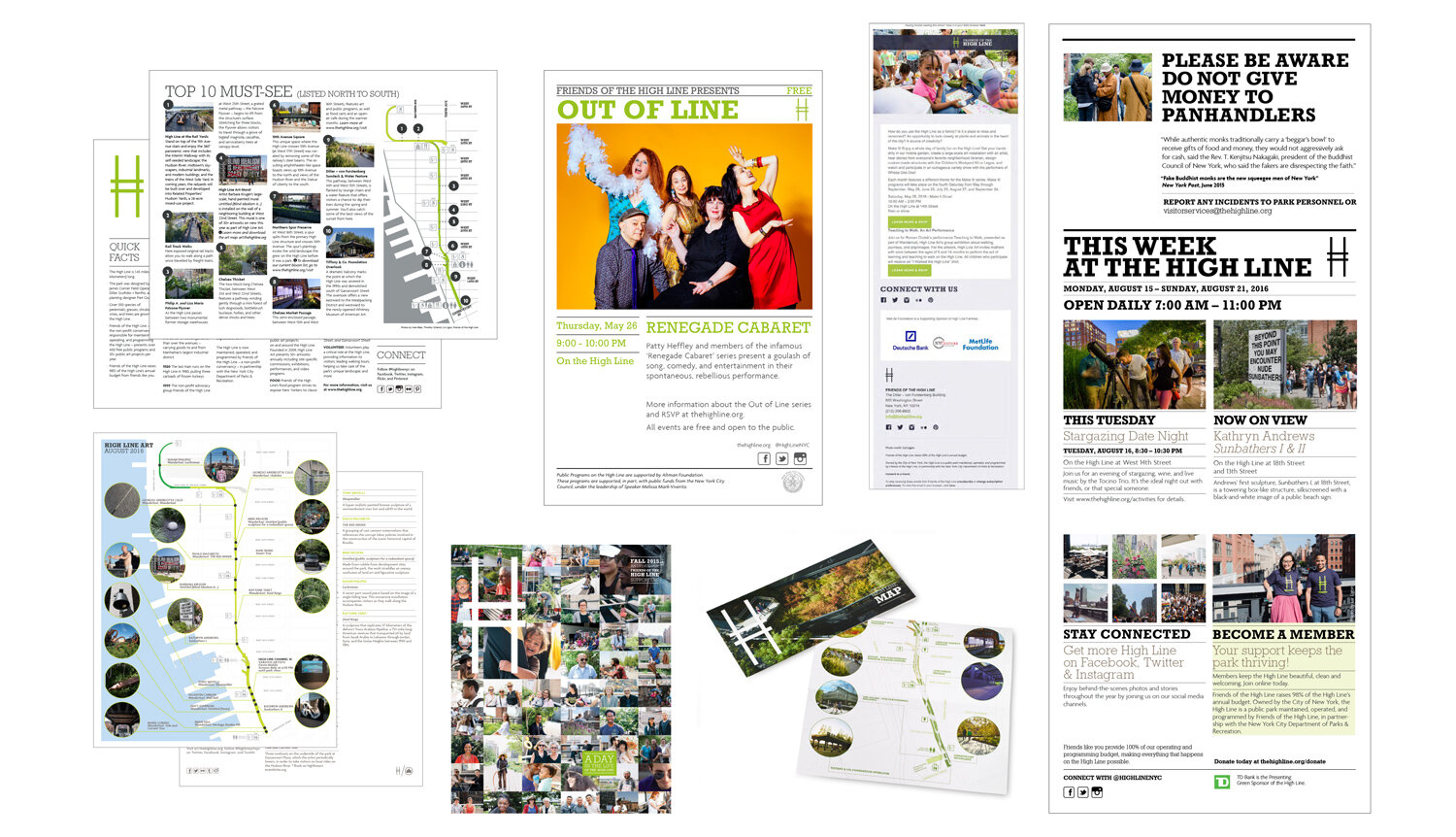
Working from this updated evolving visual system, while also decluttering much of the material, I spent nearly four years helping extend, organize, and operationalize the identity across a wide range of digital, print, environmental, and experiential touchpoints spanning art, education, gardens, public programs, fundraising, events, retail, and institutional communications.
Much of the work involved balancing consistency and flexibility across a complex cultural ecosystem with many interconnected departments, audiences, and public-facing initiatives.

Website Redesign & Digital Experience
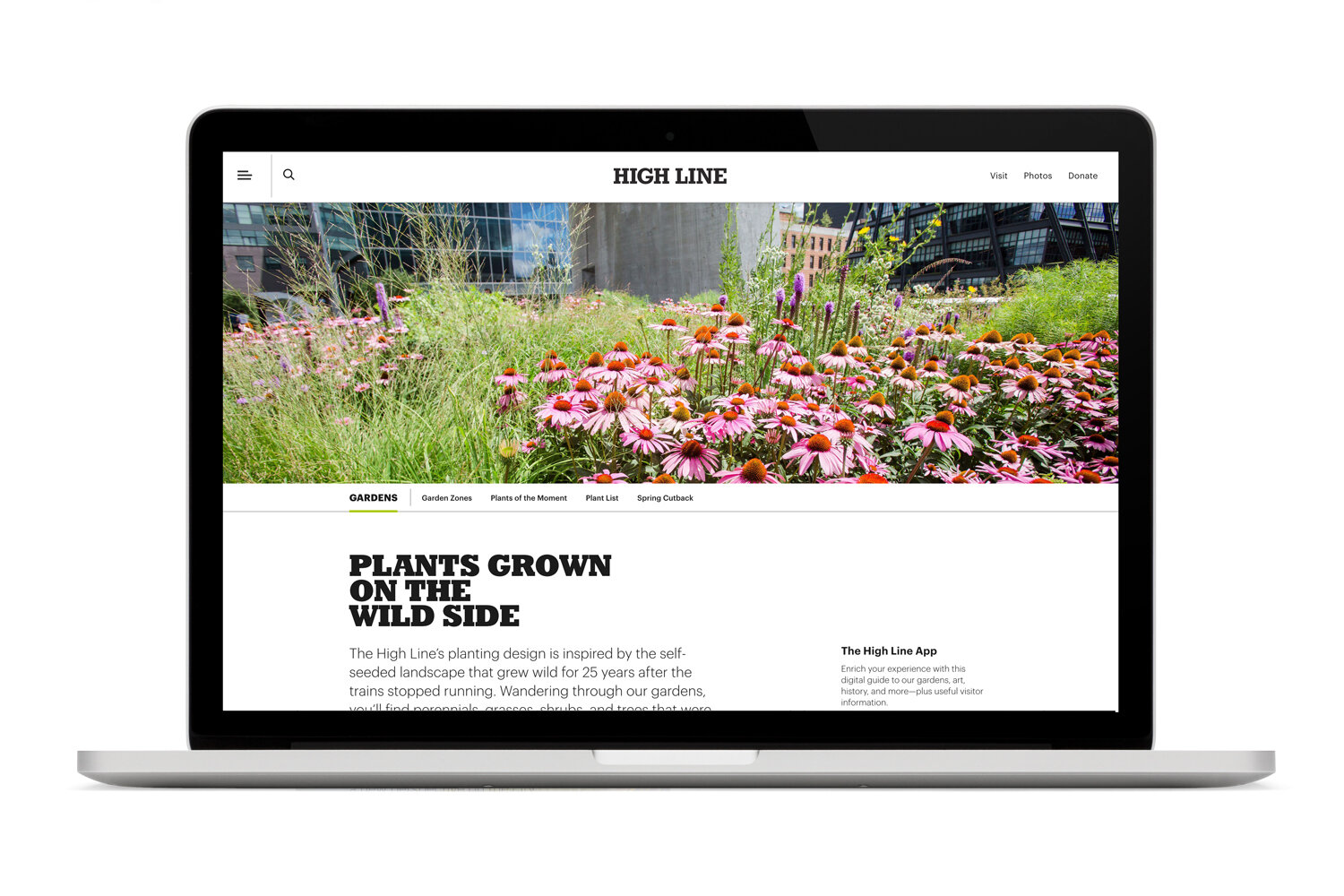
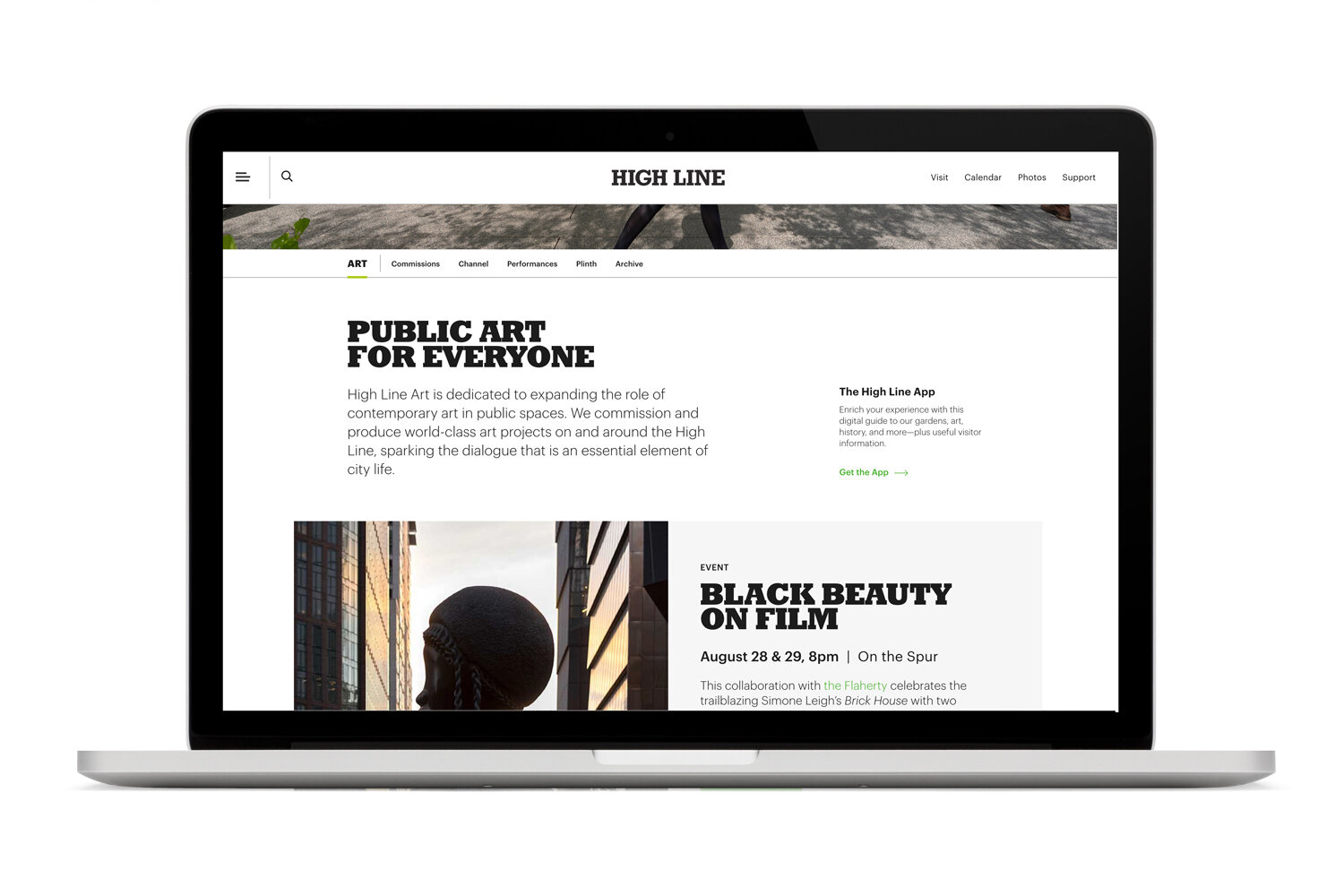
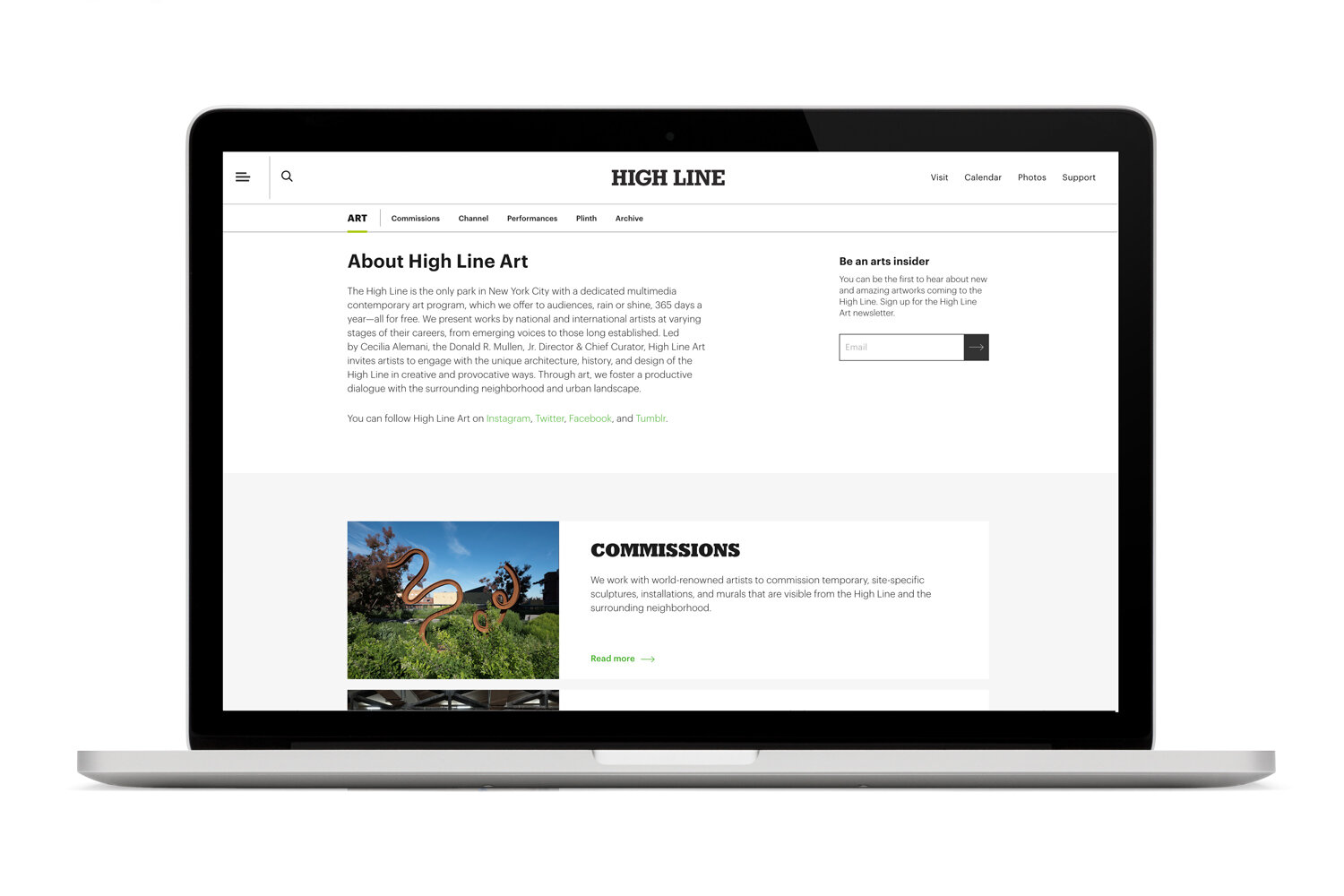
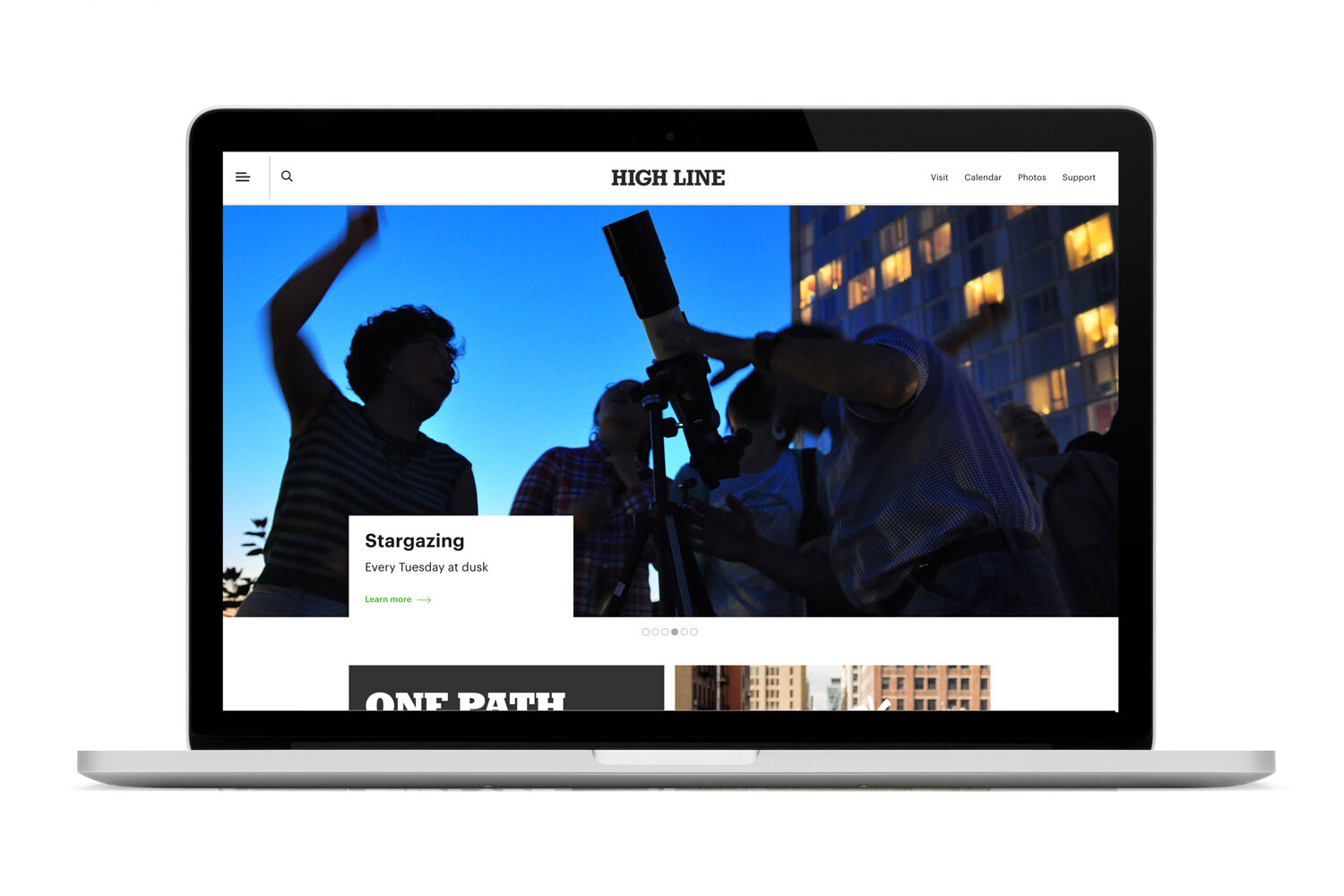
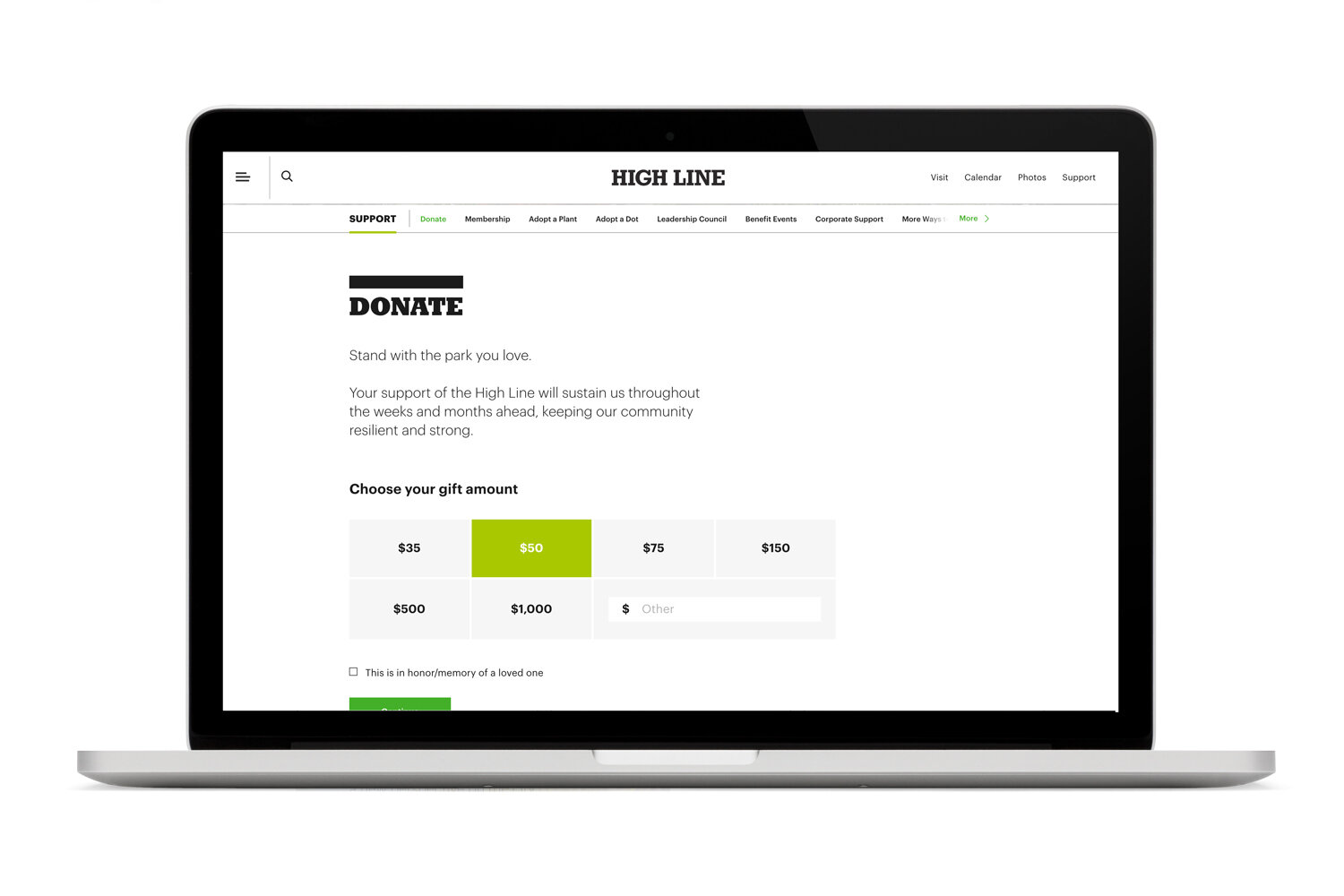
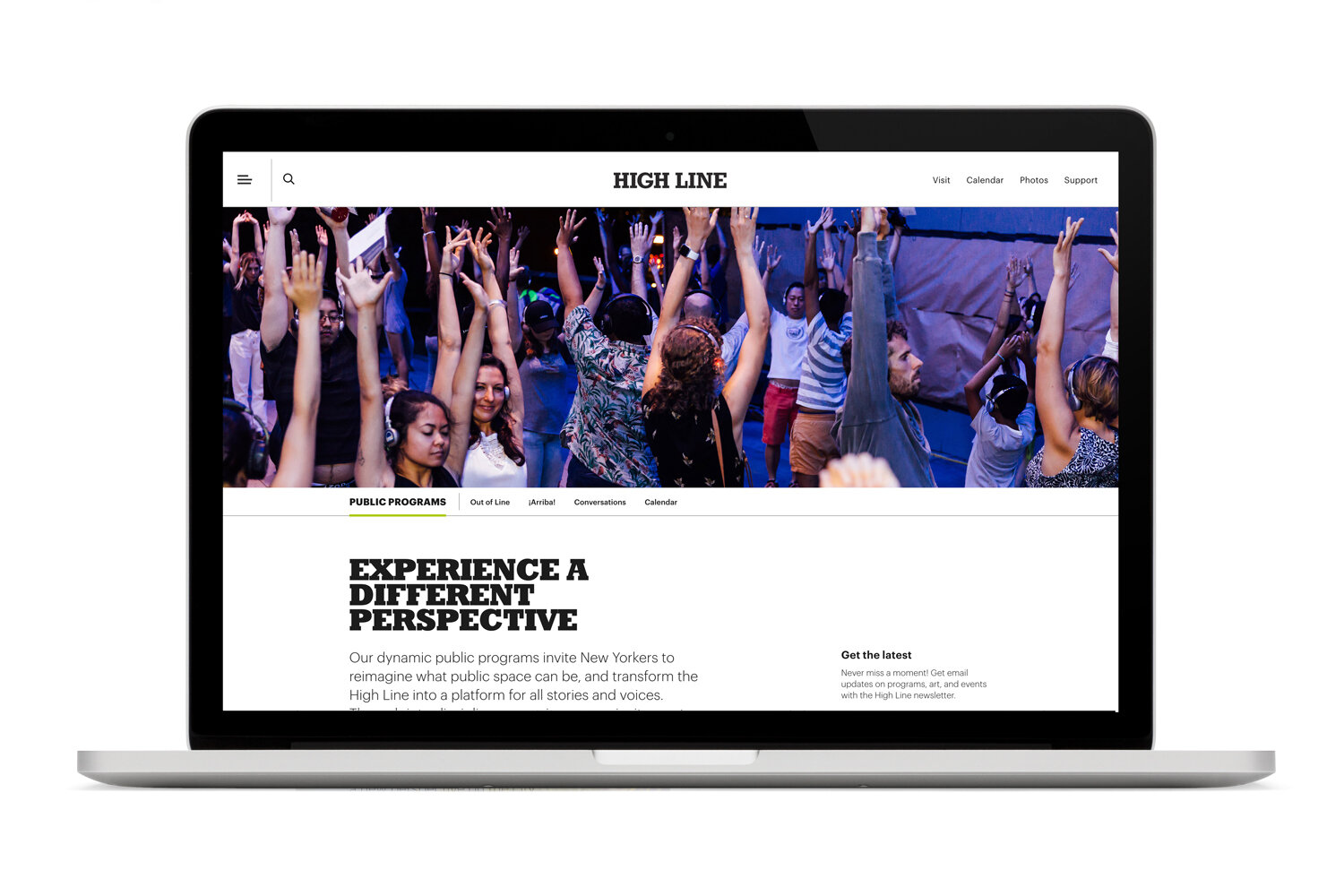
The redesign of the High Line website was one of the largest and most complex initiatives I worked on during my time at the organization. Beyond functioning as a public park, the High Line operated simultaneously as a nonprofit, cultural institution, educational platform, fundraising organization, public programming hub, and visitor experience — all of which needed to coexist within a cohesive digital ecosystem.
Working closely with developers at Storyware, I led the UX/UI design process, content organization, visual systems, and cross-department collaboration for the redesign. My role involved coordinating input and approvals across multiple teams including High Line Art, public programs, education, gardens, membership, fundraising, and communications, while helping unify previously fragmented digital experiences into a more cohesive and accessible platform.
I also collaborated with writers and internal stakeholders to help shape content structure, user flow, and storytelling across the site. In addition to the primary website redesign, I supported broader ecosystem cohesion across related digital platforms including the High Line Network and High Line Shop.
The final system was designed to support a wide range of content, programming, educational resources, fundraising initiatives, public events, and visitor experiences while remaining flexible, intuitive, and aligned with the evolving institutional brand.
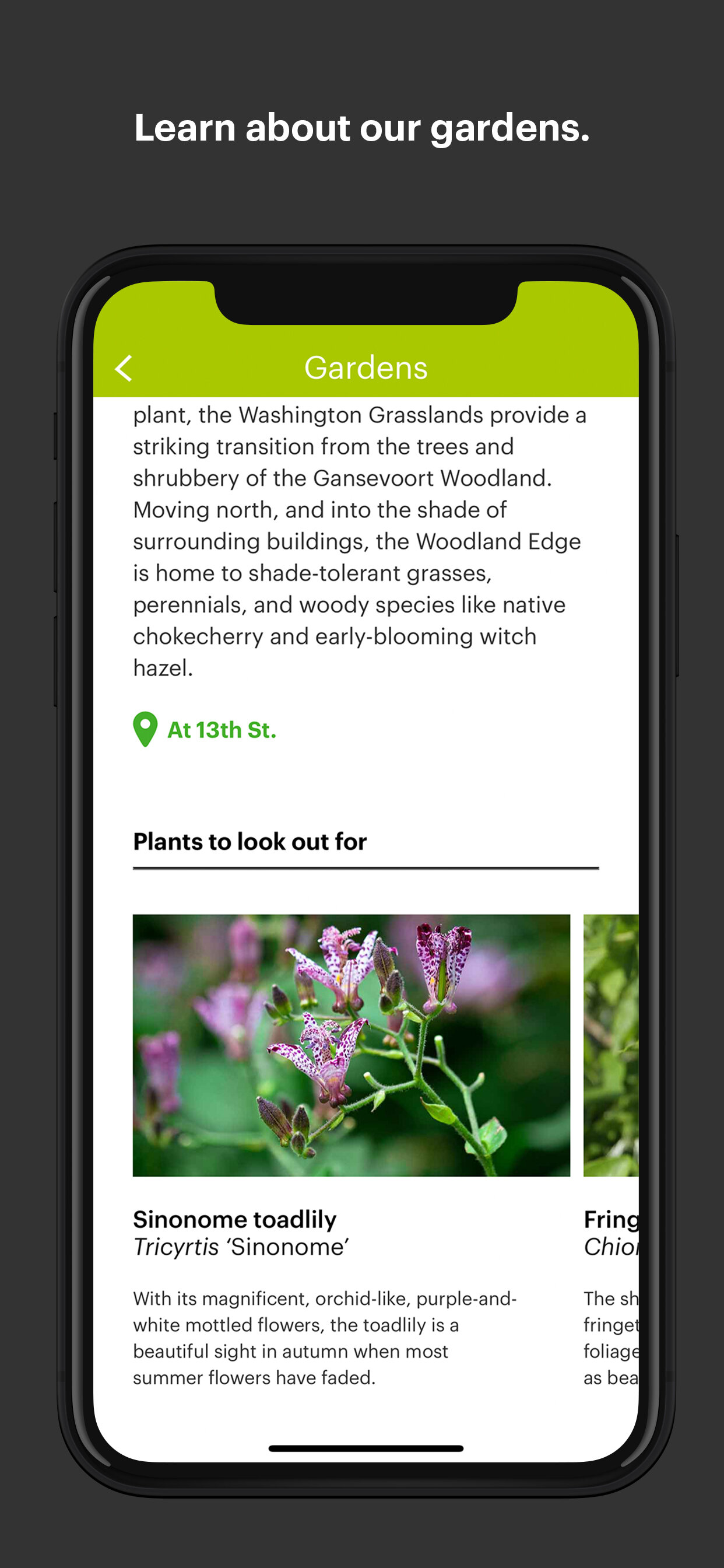
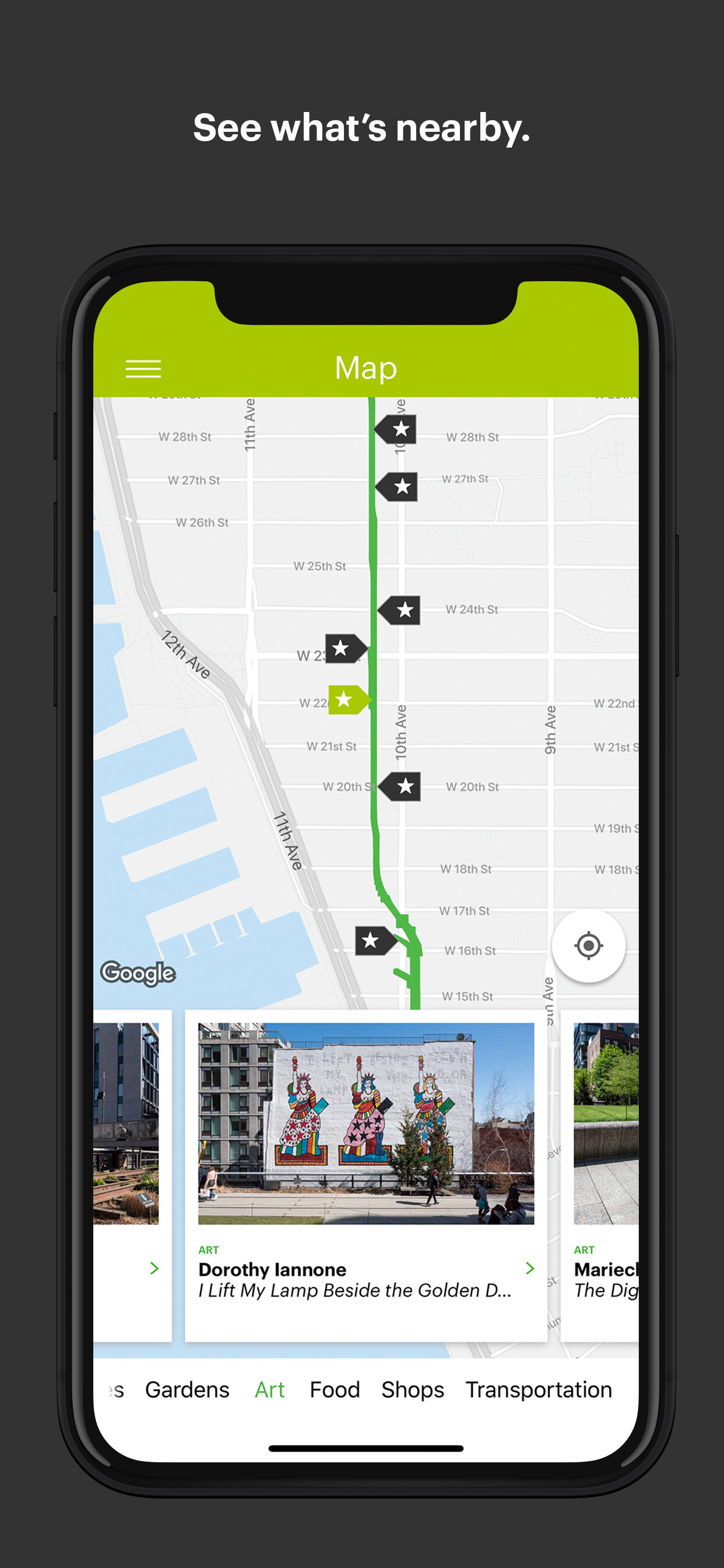
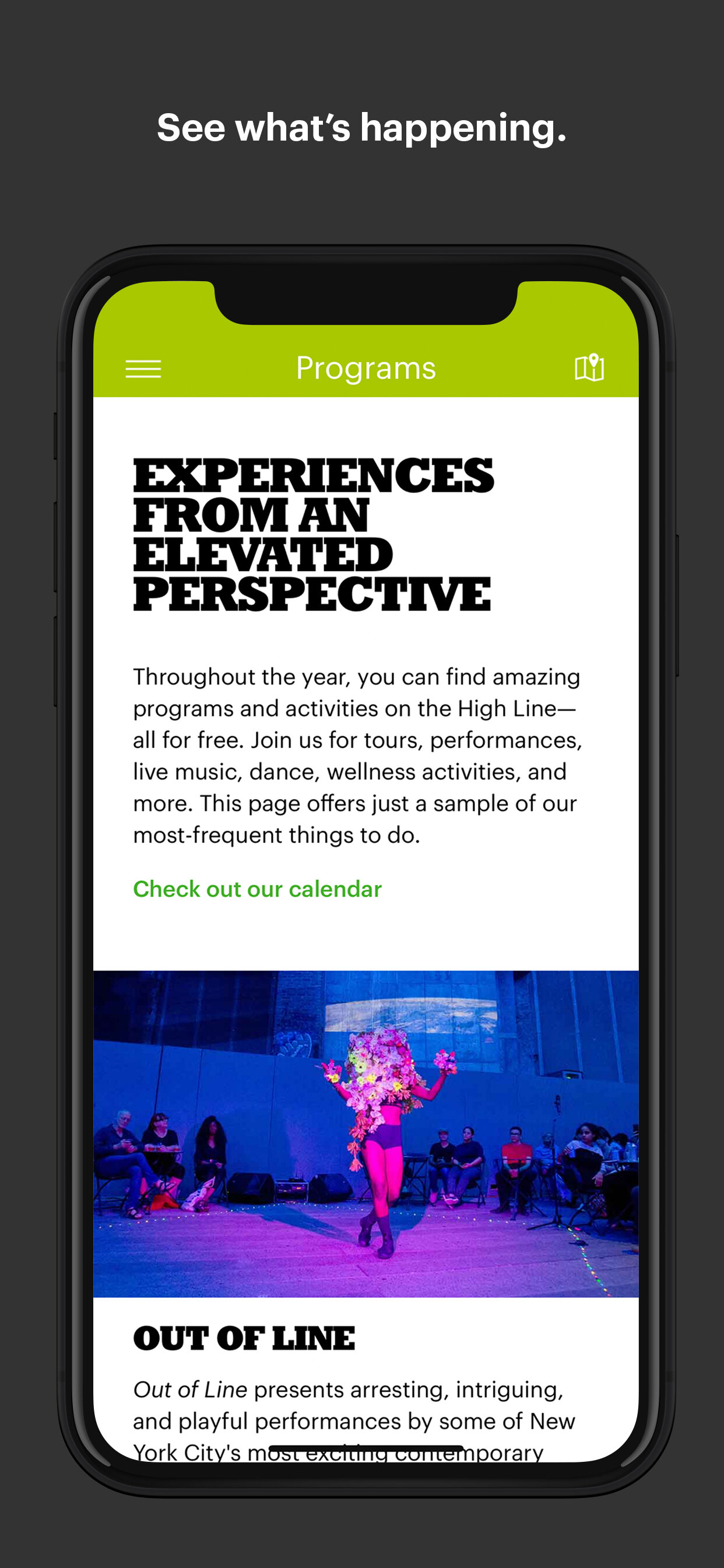
The High Line App
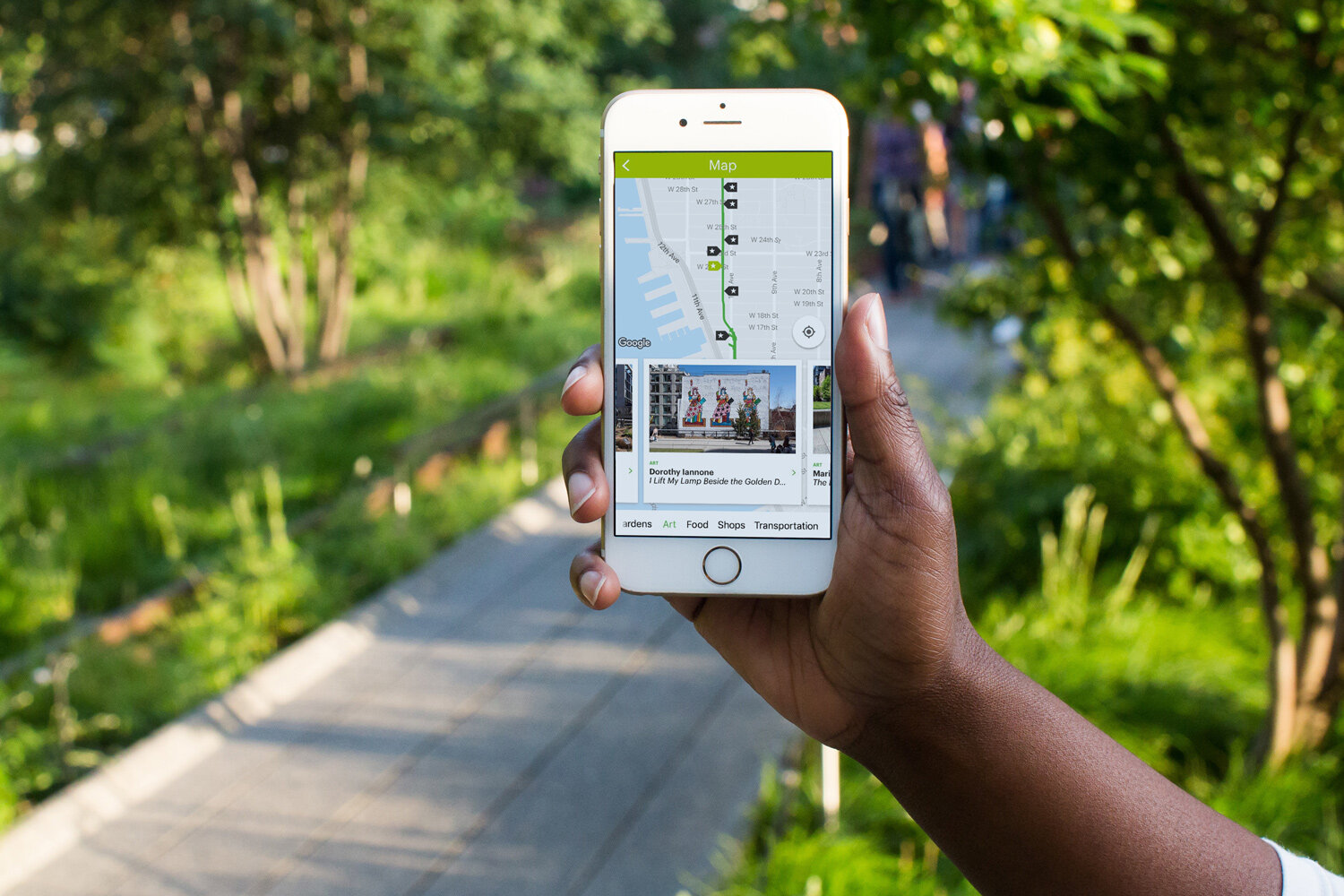
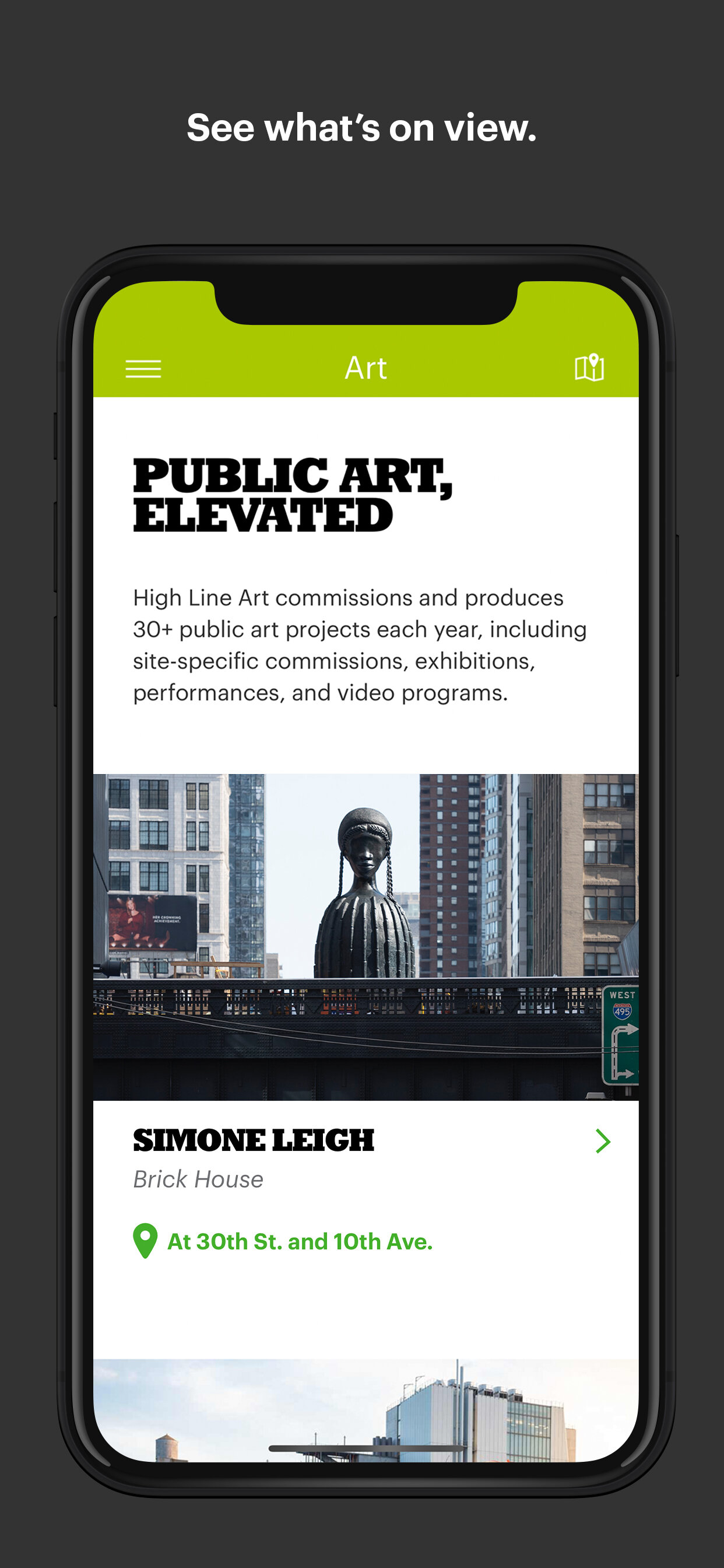
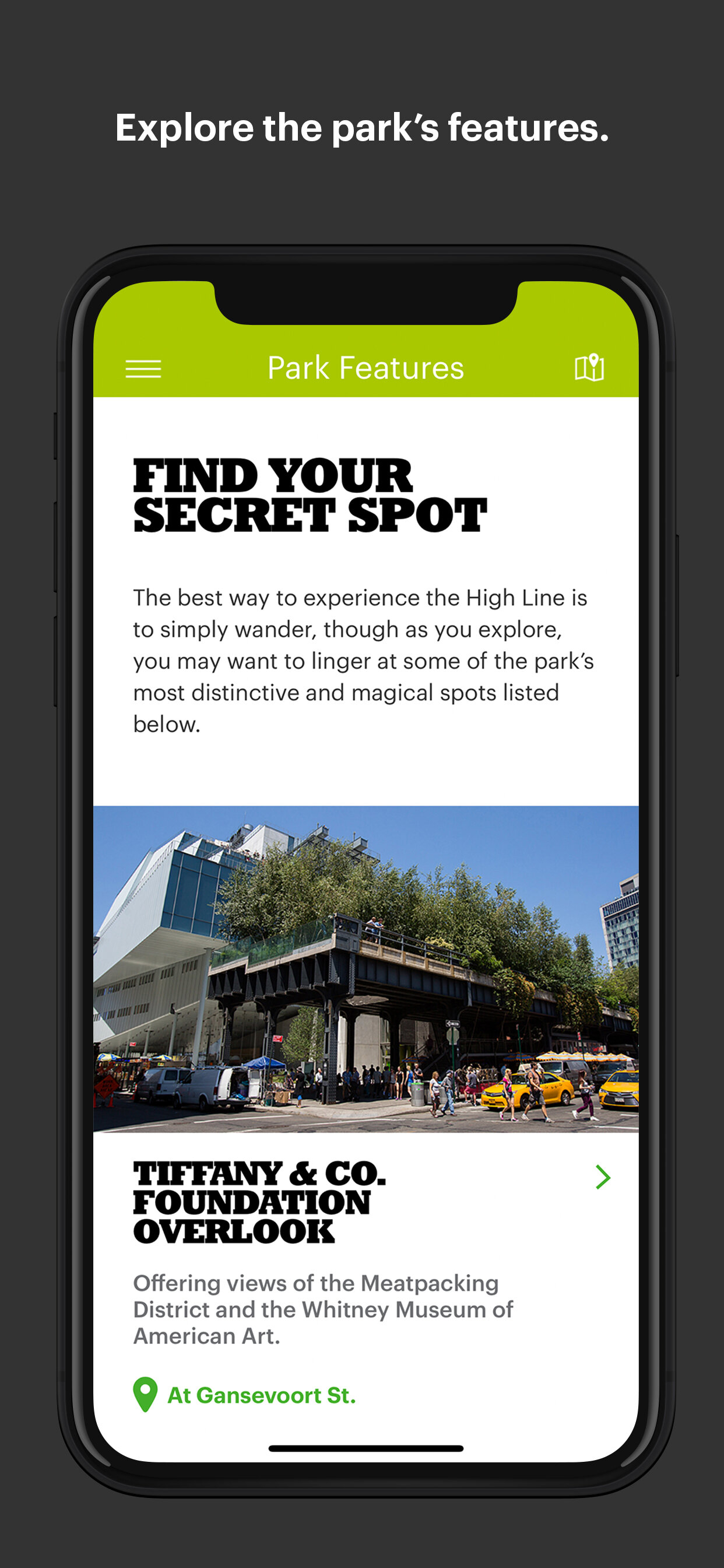
Alongside the redesign of the website and broader communication systems, I also conceptualized and designed the High Line App as a more interactive and immersive extension of the visitor experience.
The app functioned as a digital companion to the park, offering maps, contextual storytelling, art information, design and garden features, and public programming content in a more accessible and engaging format. I led the UX/UI design process, organized and gathered content across departments, collaborated with freelance writers and developers, and helped guide the project through launch.
The goal was to create a thoughtful digital experience that reflected the spirit of the High Line itself: accessible, exploratory, educational, and deeply connected to place.
Campaigns, Milestones & Public Experience
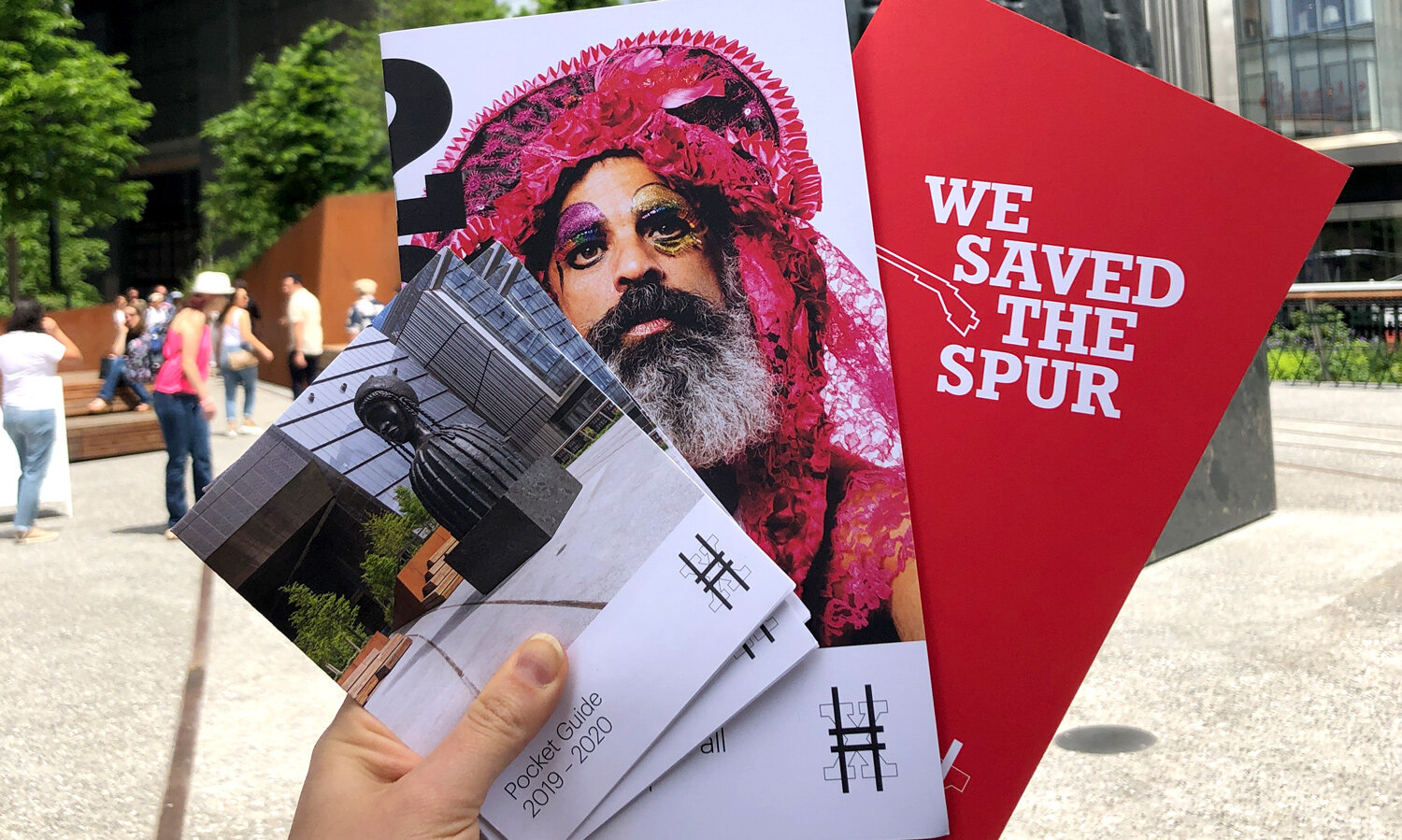
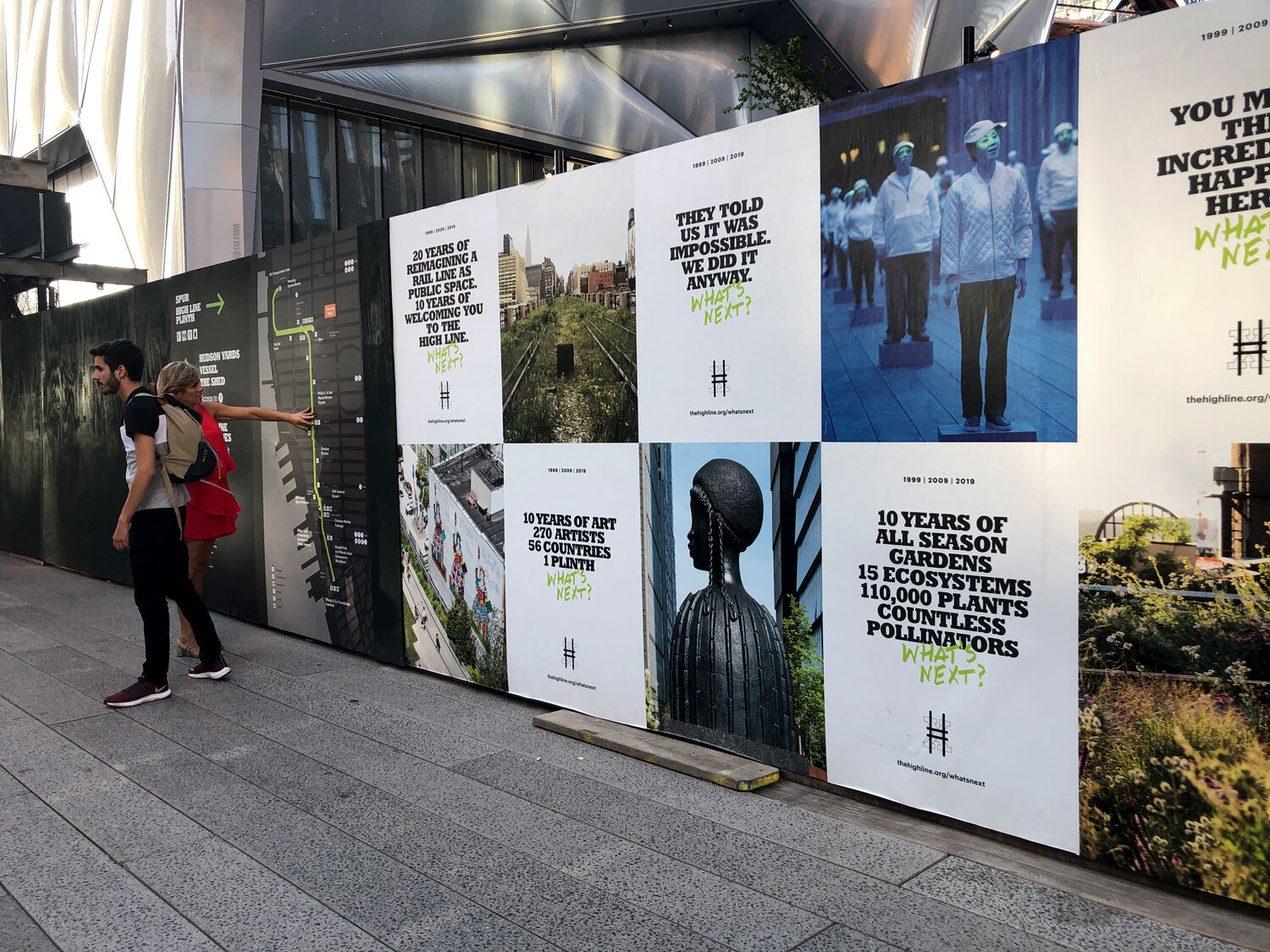
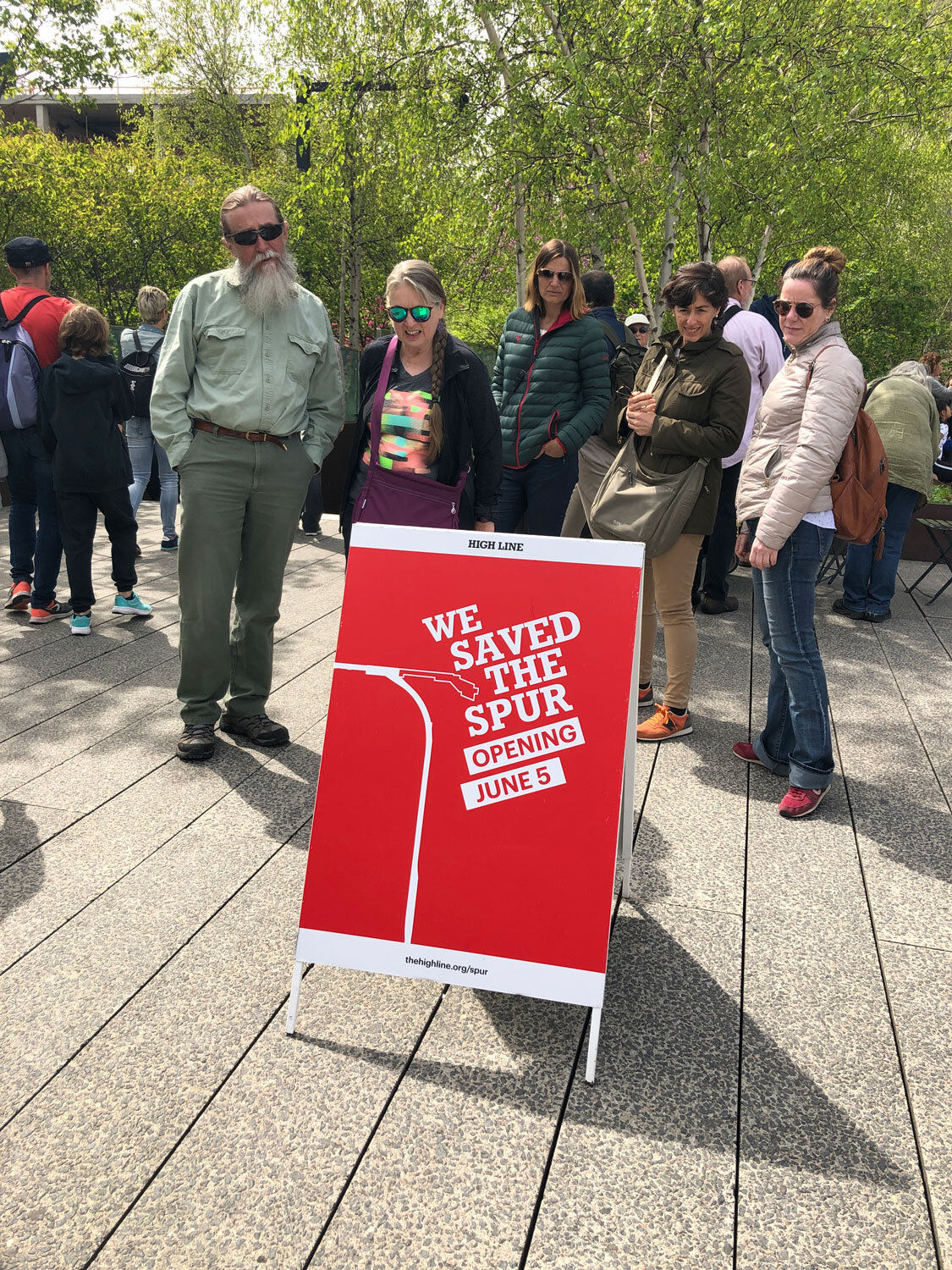
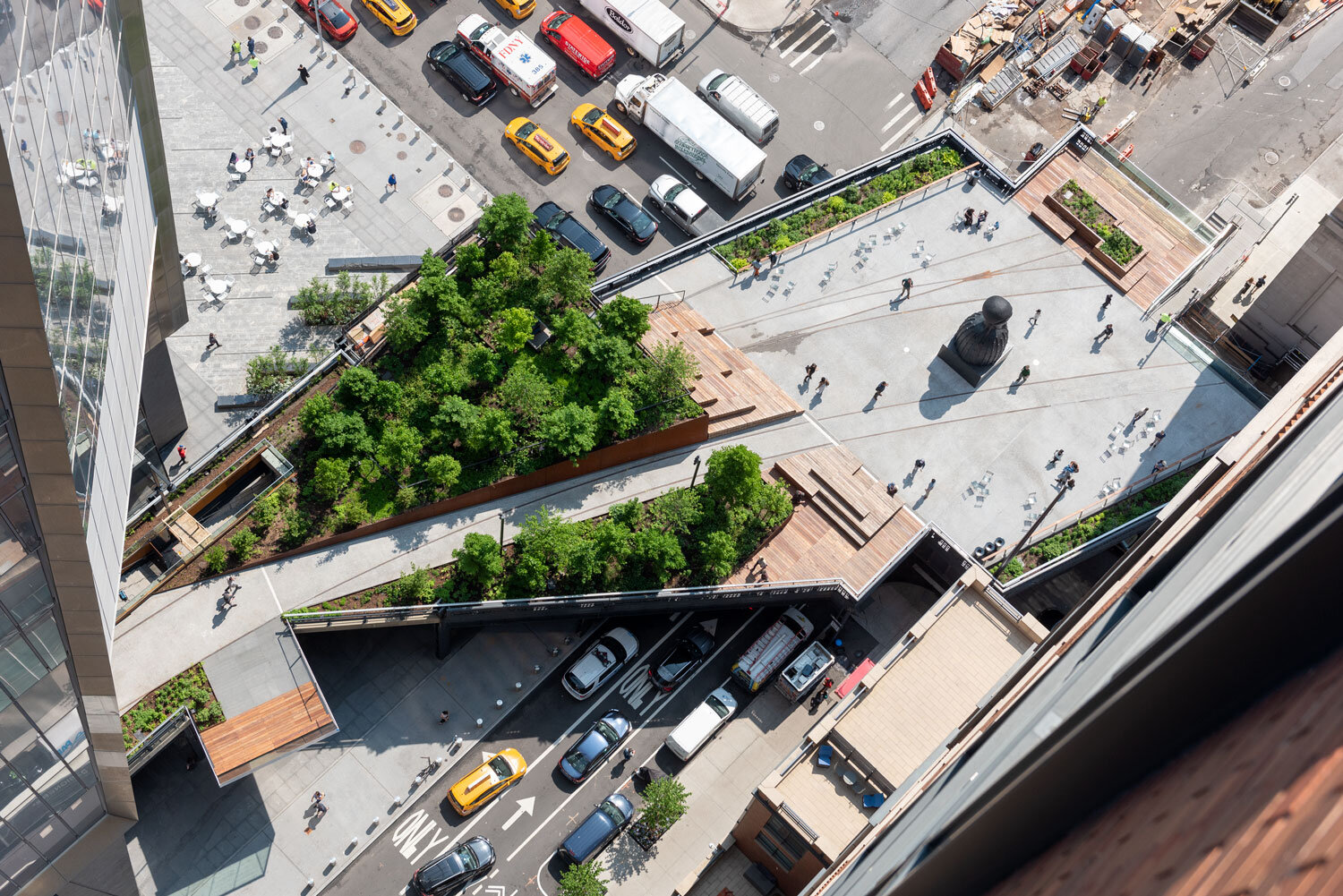
In 2019, the High Line reached several major milestones simultaneously: ten years since the opening of the park, twenty years since the founding of Friends of the High Line, and the opening of the Spur — a major new section of the park designed as a gathering space for public programming and large-scale contemporary art.
I helped develop and art direct milestone campaign materials, anniversary branding, public-facing communications, and launch assets connected to these initiatives. This period also marked the debut of the inaugural High Line Plinth commission, introducing a new platform for monumental public art within the city.
The work required balancing institutional storytelling, cultural visibility, public engagement, and cohesive visual communication across digital, print, environmental, and experiential touchpoints during one of the organization’s most significant moments of growth and transformation.

Cross-Department Creative Support
Alongside larger digital and brand initiatives, much of my role involved supporting the ongoing creative and operational needs of a fast-moving cultural organization with many interconnected departments and public-facing programs.
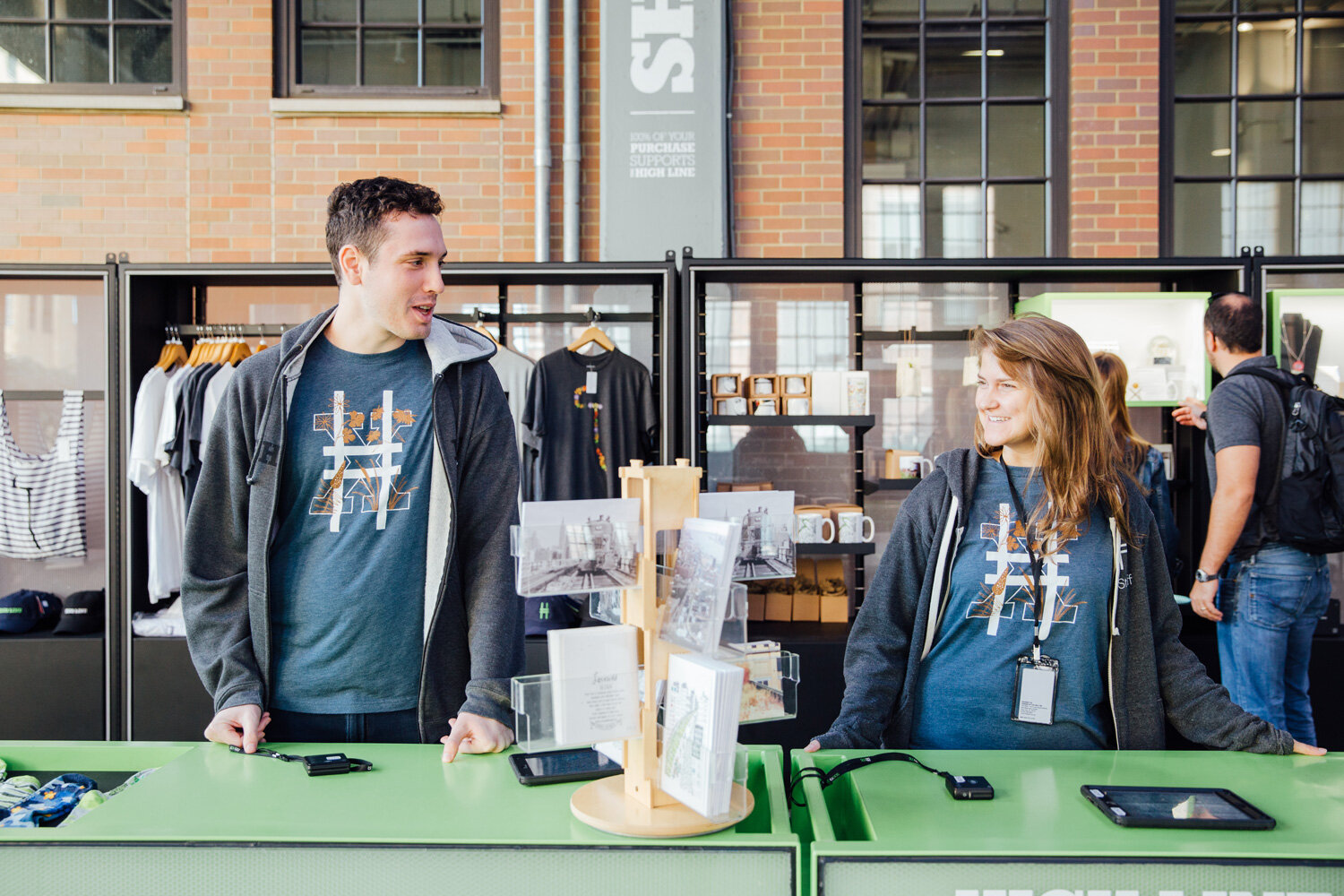
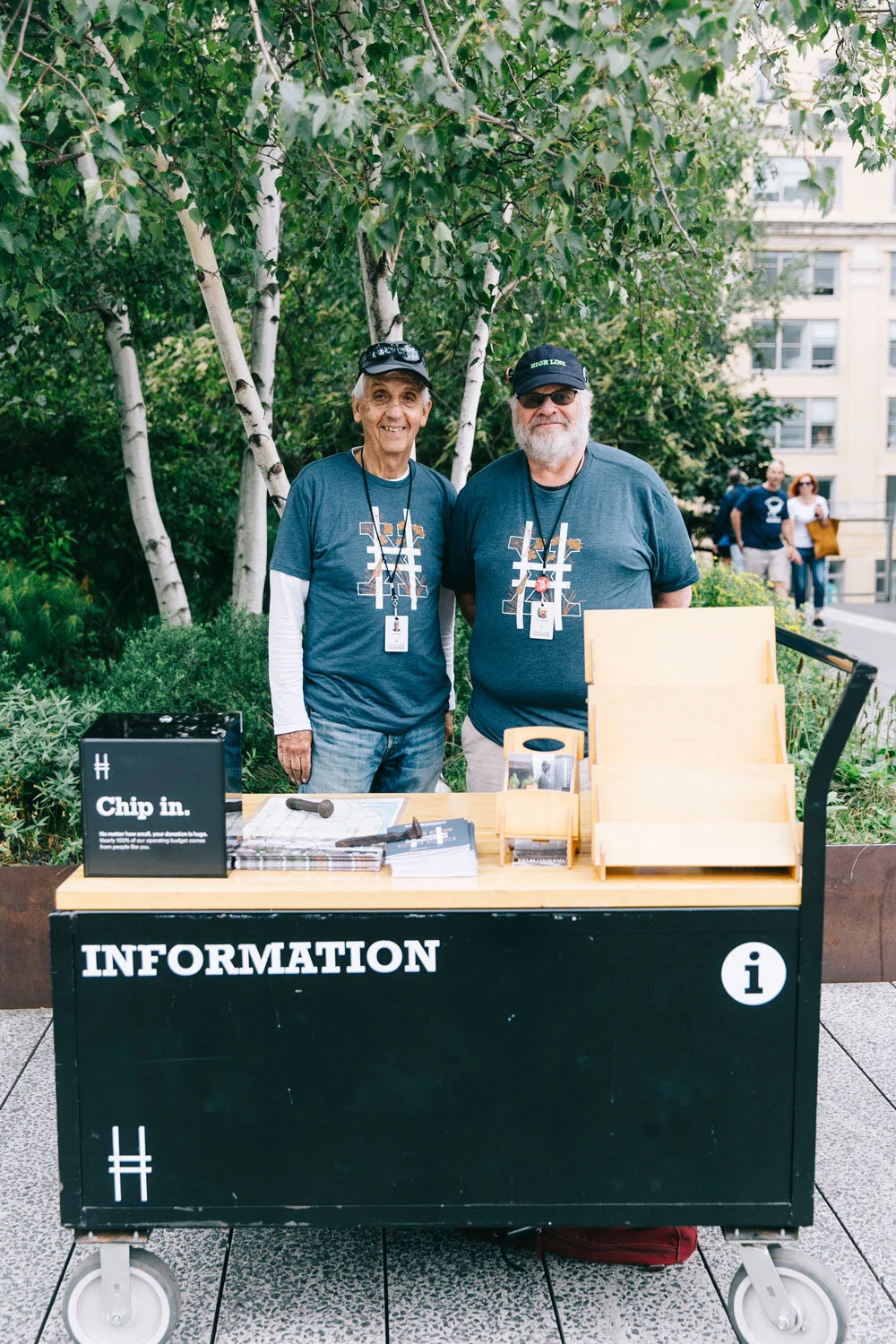
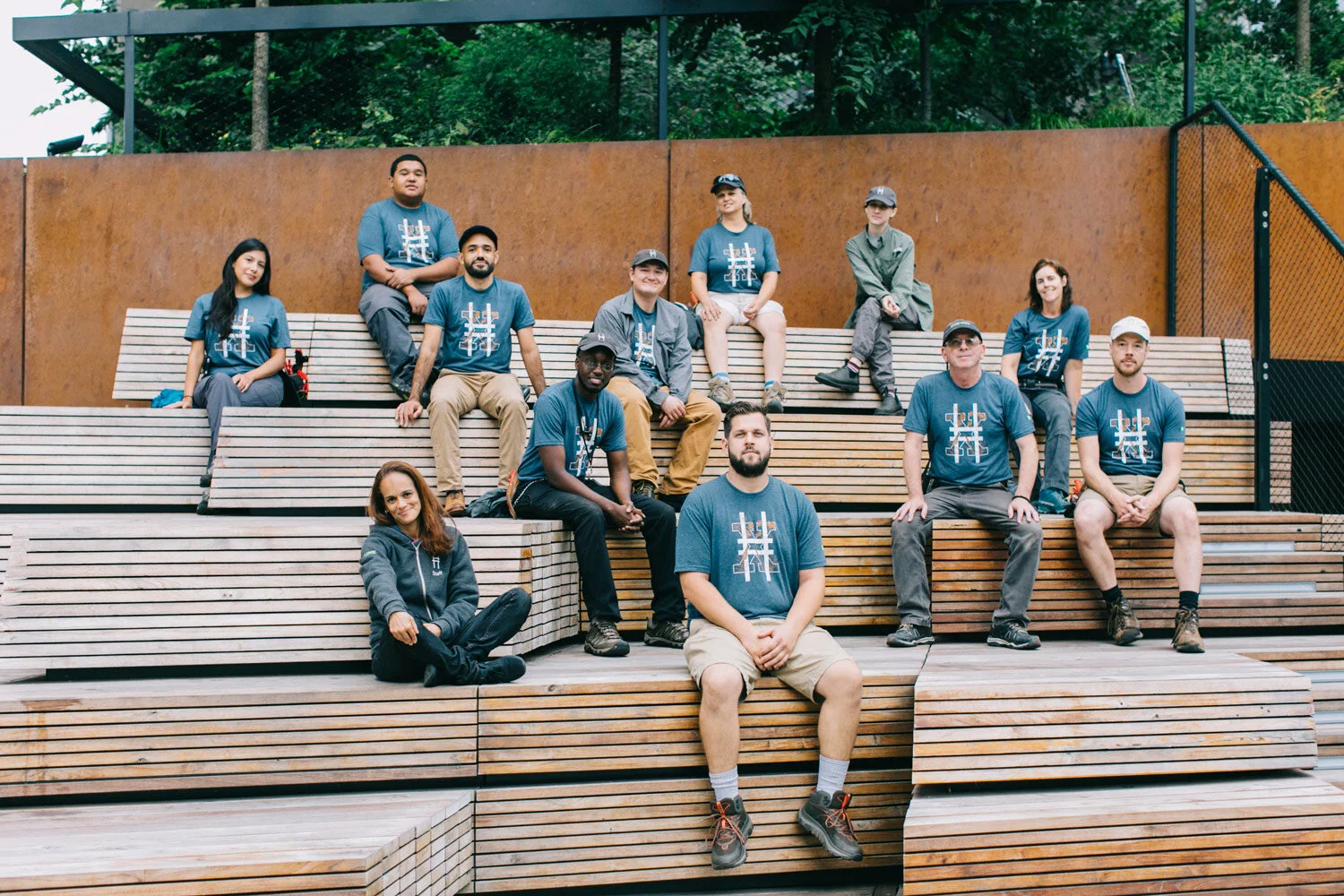
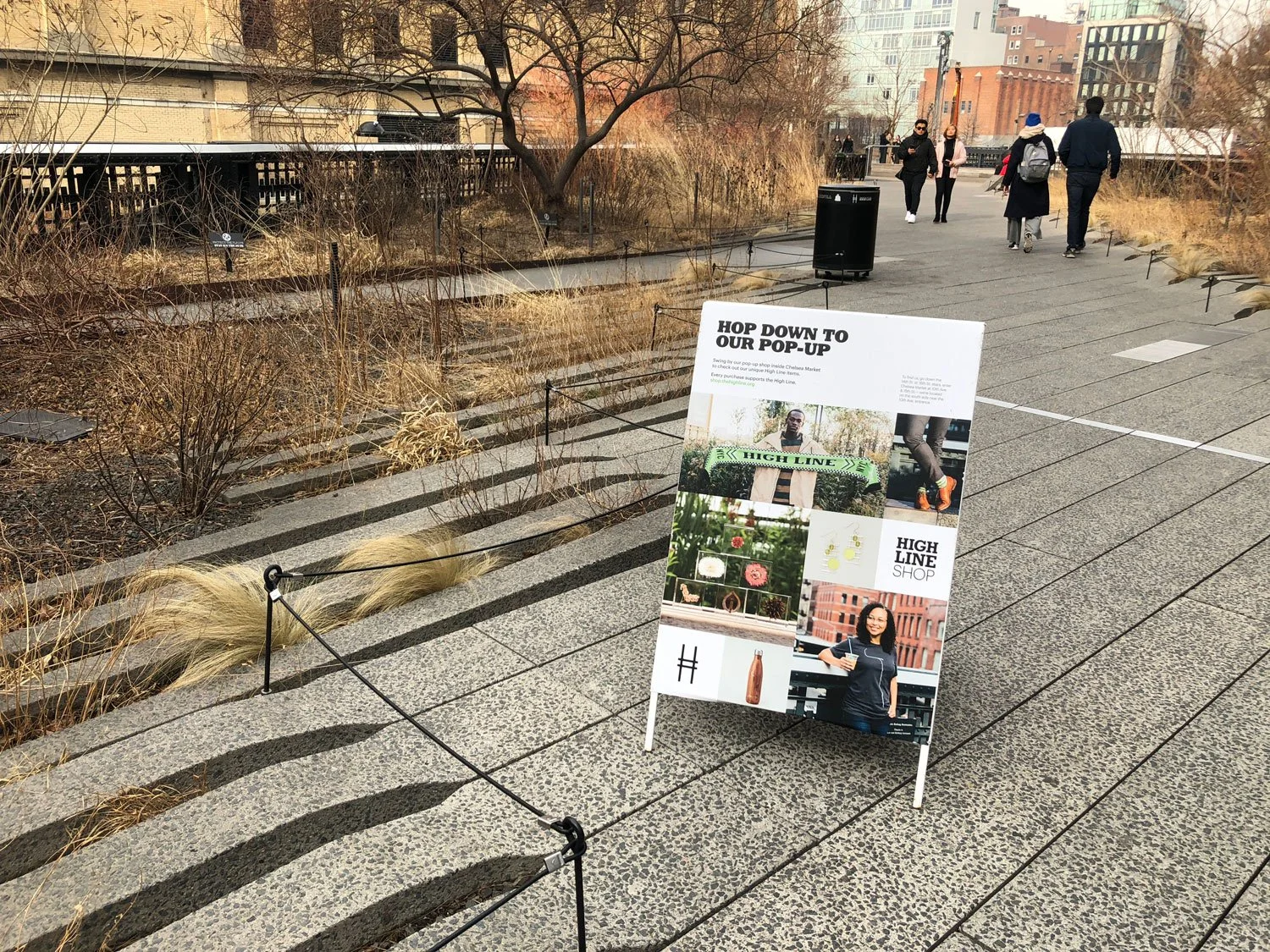
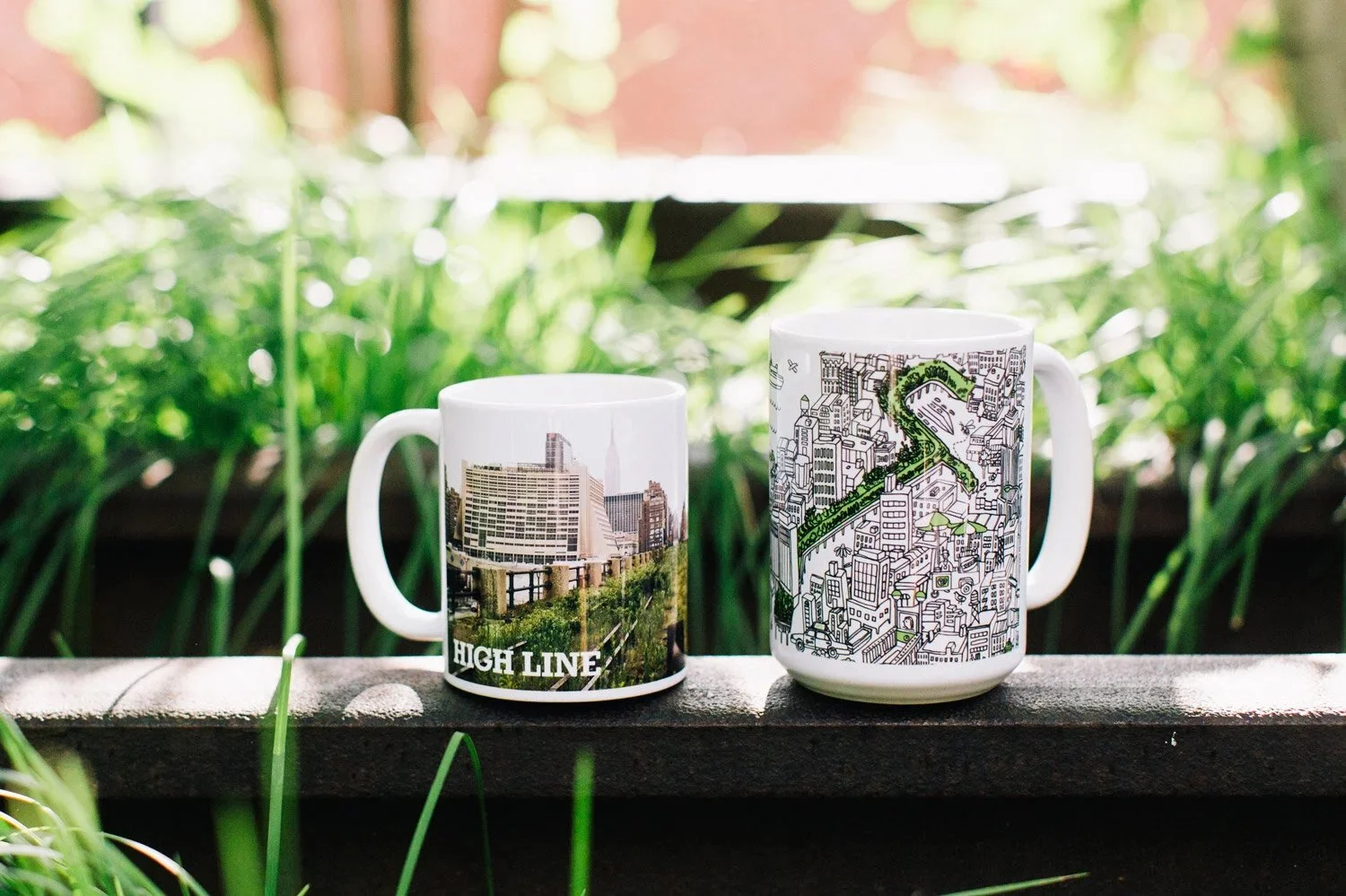
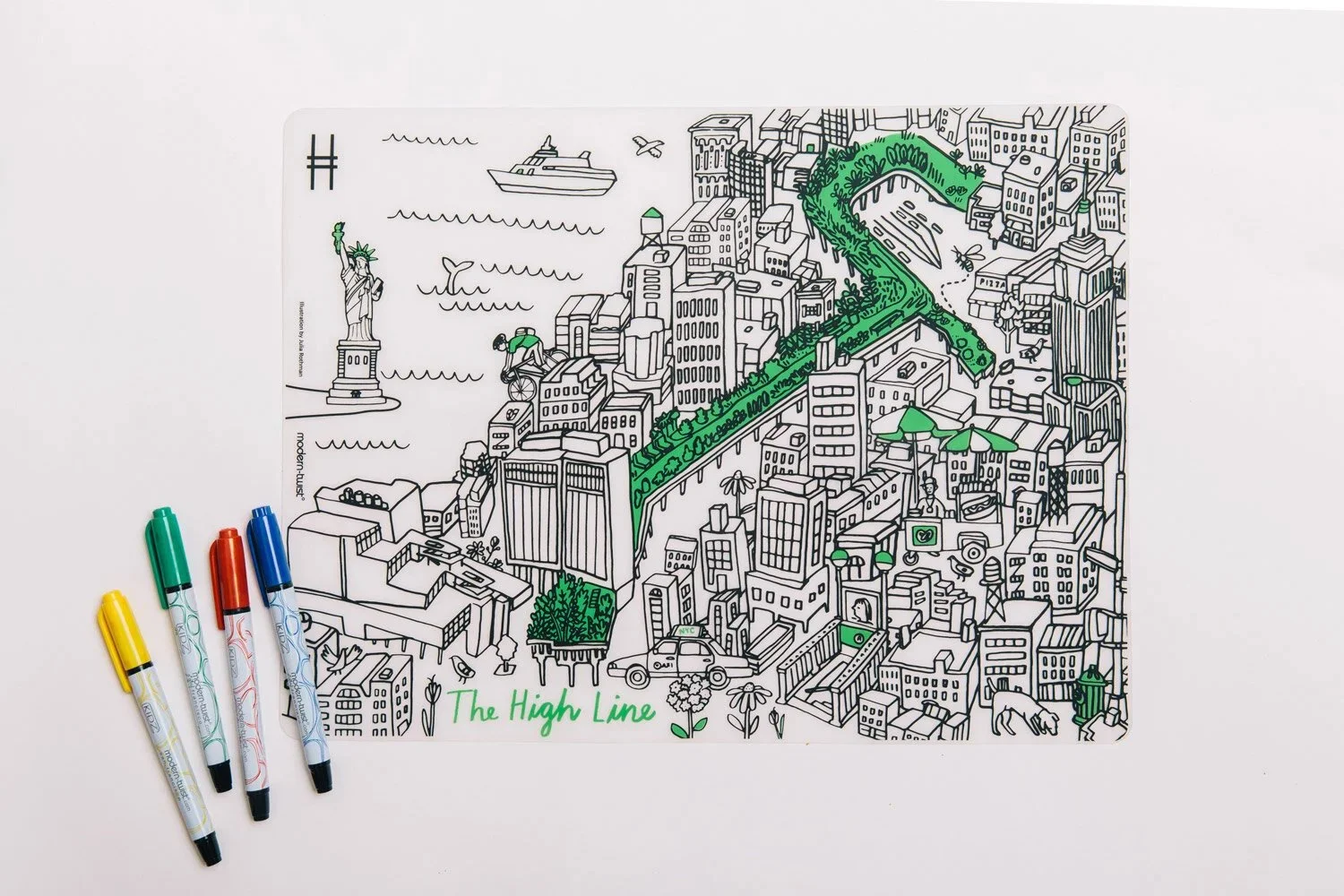
This included environmental graphics, signage systems, event materials, fundraising campaigns, merchandise, public programming assets, educational materials, seasonal initiatives, presentations, internal communication tools, and experiential design support across a wide range of organizational touchpoints.
When I joined the organization, many public-facing materials across departments had become visually fragmented due to years of decentralized production and independent vendor relationships. Part of my role involved helping create greater consistency, clarity, and cohesion across these evolving communication systems while balancing flexibility with long-term organizational alignment.
High Line Network & Symposium
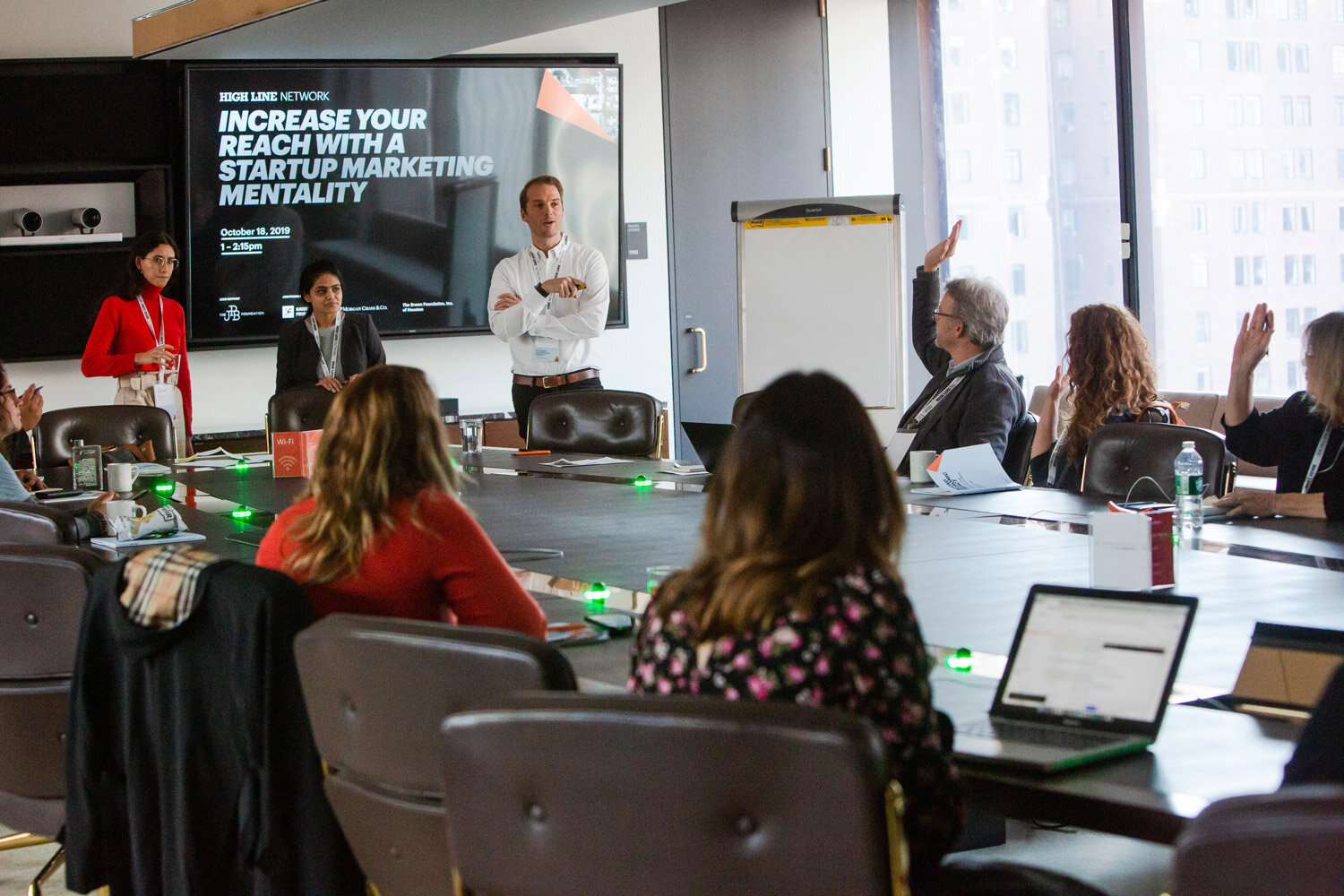
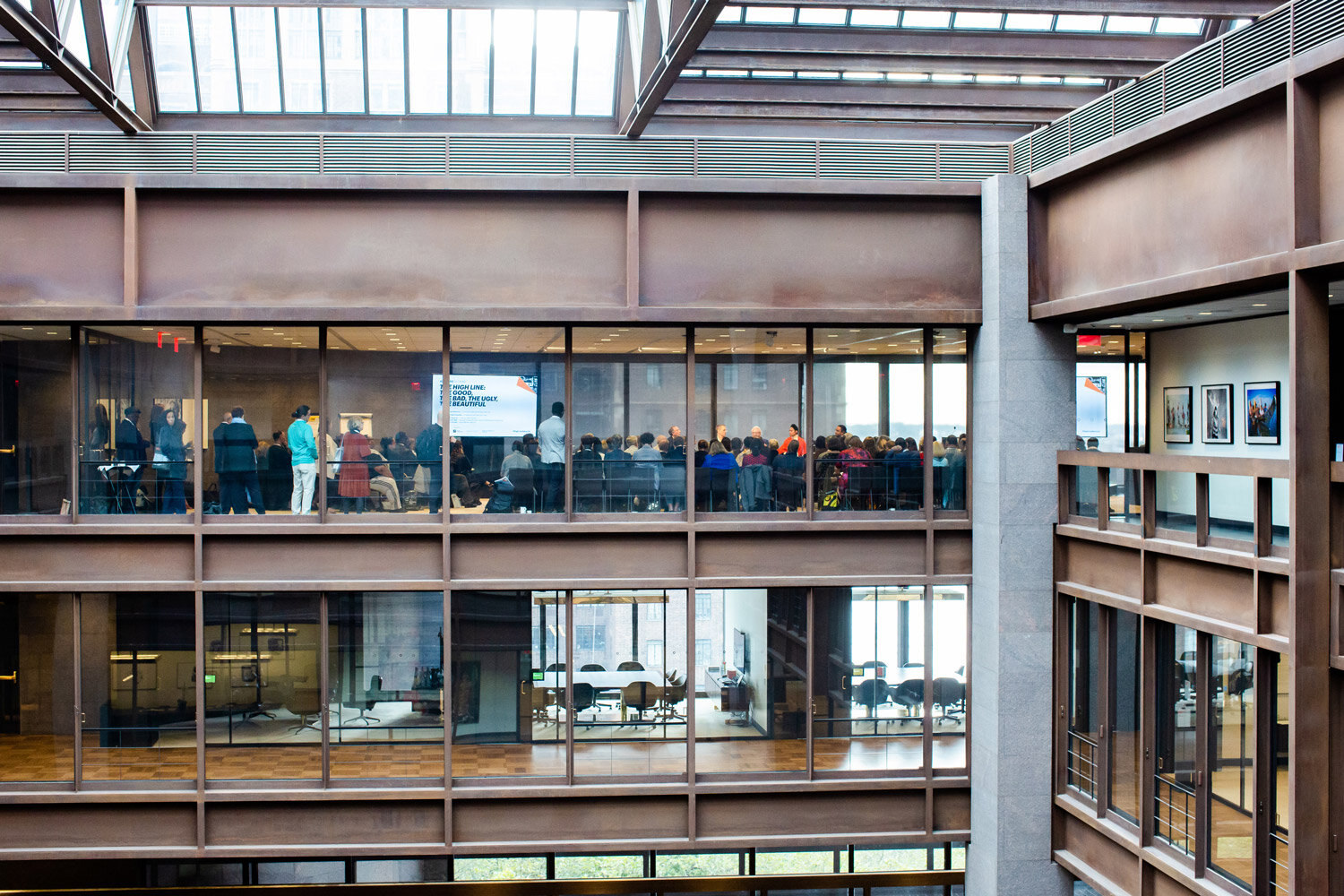
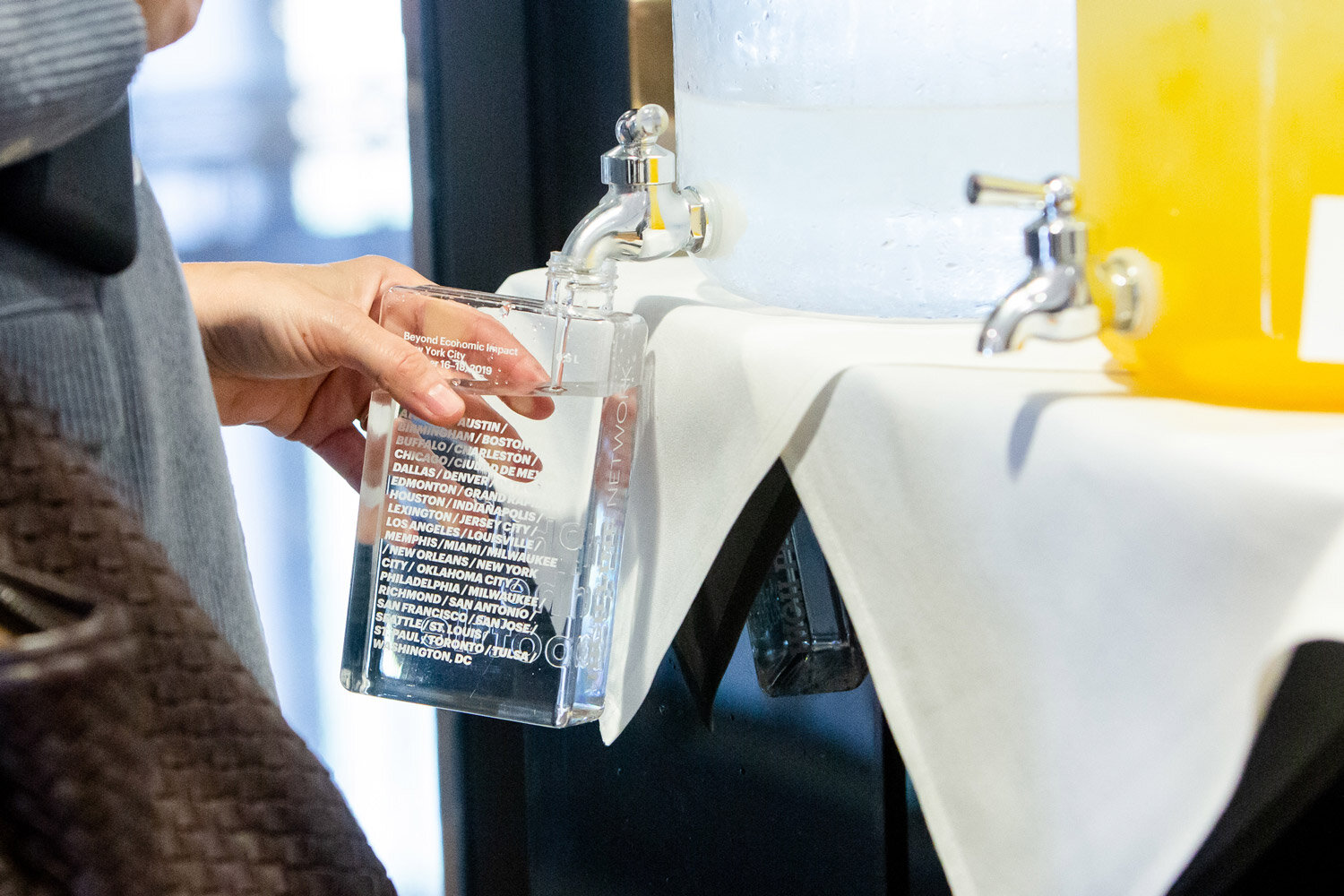
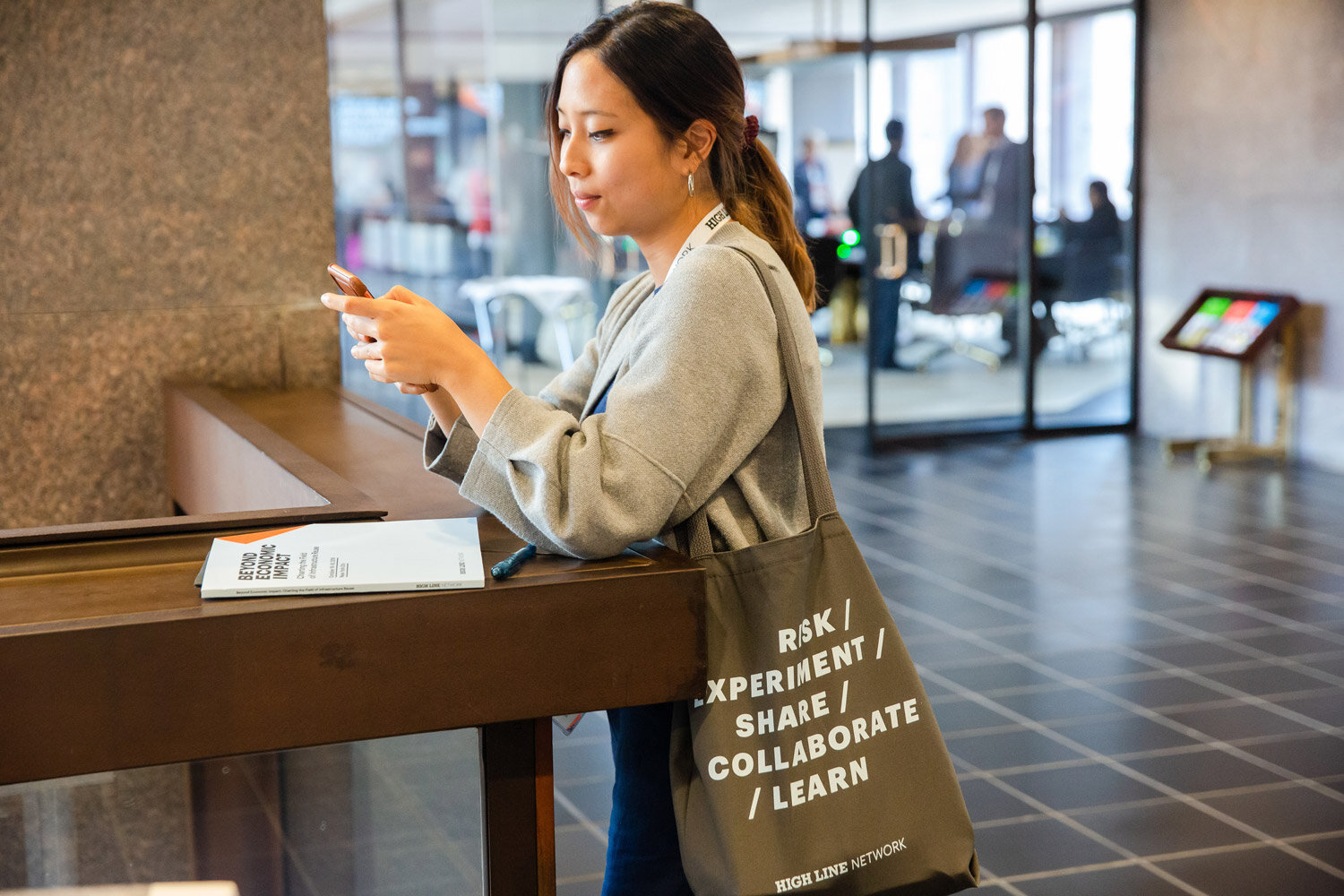
I supported the launch and visual development of the High Line Network, an initiative connecting infrastructure reuse projects across North America to share knowledge, strategies, and resources around the future of public space and urban transformation.
My work included helping launch the High Line Network website, leading the design of the inaugural High Line Network Symposium held at the Ford Foundation, and creating the first Best Practices Toolkit for early-phase infrastructure reuse projects in collaboration with illustrator Guillaume Kashima and external creative partners.
The project combined systems thinking, educational design, storytelling, event experience, and institutional communication within a broader mission-driven and public-facing initiative.
One of my final major contributions before leaving the organization was helping consolidate and refine the evolving brand guidelines after several years of ongoing implementation, helping create greater clarity and consistency across the organization’s expanding visual systems.
What This Work Taught Me
Working at the High Line shaped the way I think about design, systems, and public experience. More than a traditional branding role, the work involved helping steward a living cultural ecosystem through clarity, collaboration, adaptability, and thoughtful communication across many interconnected layers.
It deepened my understanding of how strategic creative work can support not only visual cohesion, but also meaningful human experience, institutional growth, and public connection.